


HIN Anti-Racism Programme
On this page, you can find information about the HIN’s anti-racism programme and resources and guidance to help you implement similar programmes within your organisation.
Skip to the bottom of our page for our organisational development anti-racism resources.
Background
In the summer of 2020, the HIN embarked on a journey to becoming an actively anti-racist organisation. Following the global response to the racist murder of George Floyd and the stark race and health disparities highlighted through the Covid-19 pandemic, we looked at the impact of race and systemic racism in our health and care system.
The topic of racism alone is sensitive, interpersonal, and challenges our traditional patterns of thinking around racial equality, diversity and inclusion. This is a systematically and historically embedded problem, and the HIN recognised it was not enough to not be racist, but to be actively anti-racist.
This underpinned the development of our anti-racism project to shift the culture in our work individually, within our teams and ultimately within the communities we serve. The aims of the project were:
- To create a psychologically safe environment that increases staff confidence in having conversations about race and racial inequality;
- To increase staff confidence in knowing how to speak up and address concerns of racial inequality, and discrimination.
In the summer of 2023 we commissioned an independent evaluation of our anti-racism programme. You can view the full evaluation report and recommendations here.
We also conducted a review of workplace interventions which you can view here.
Global majority
Global majority refers to people who are Black, Asian, Brown, dual-heritage, indigenous to the global south, and/or have been referred to as “ethnic minorities”.

Resources
Roundtable
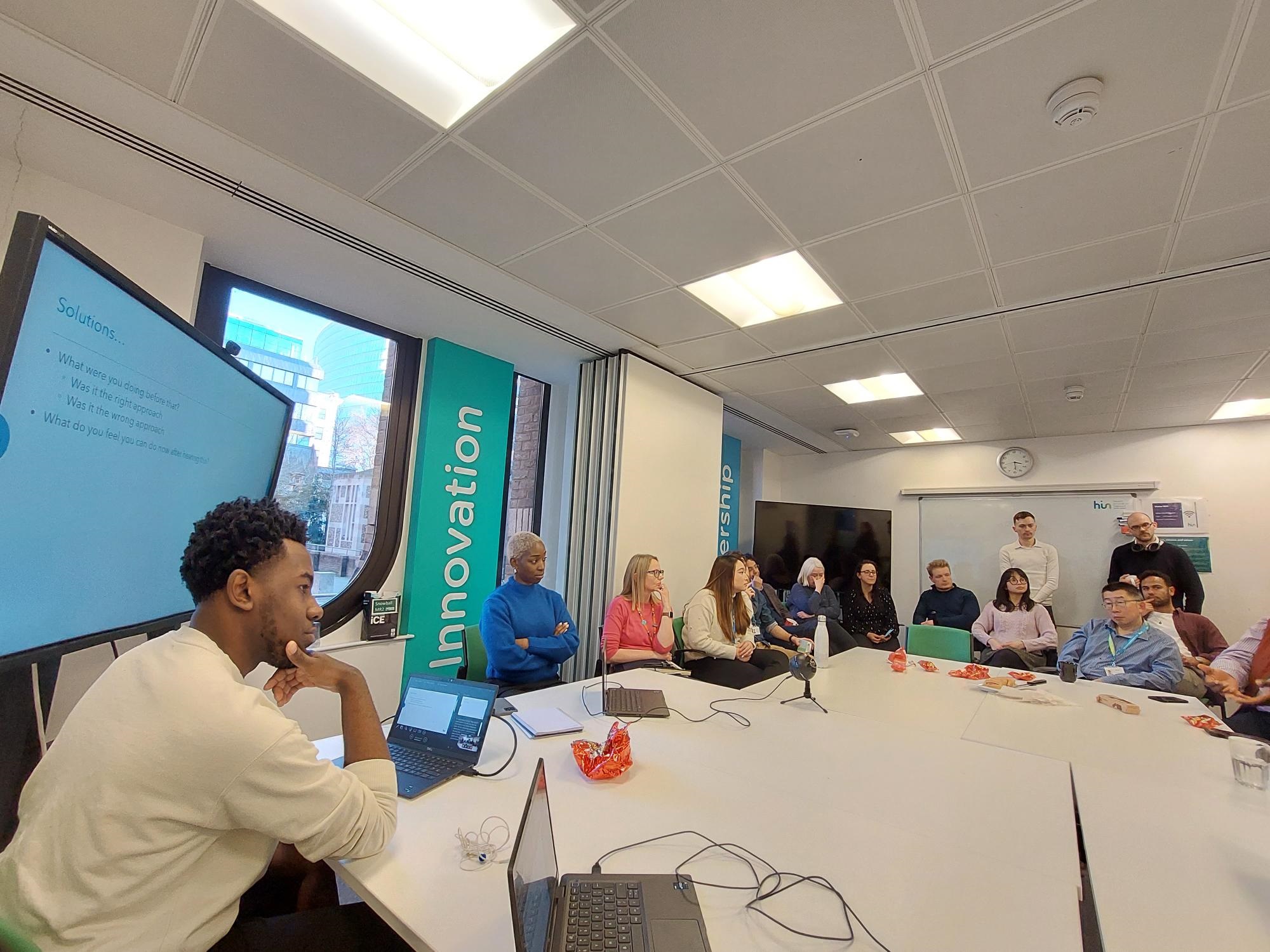
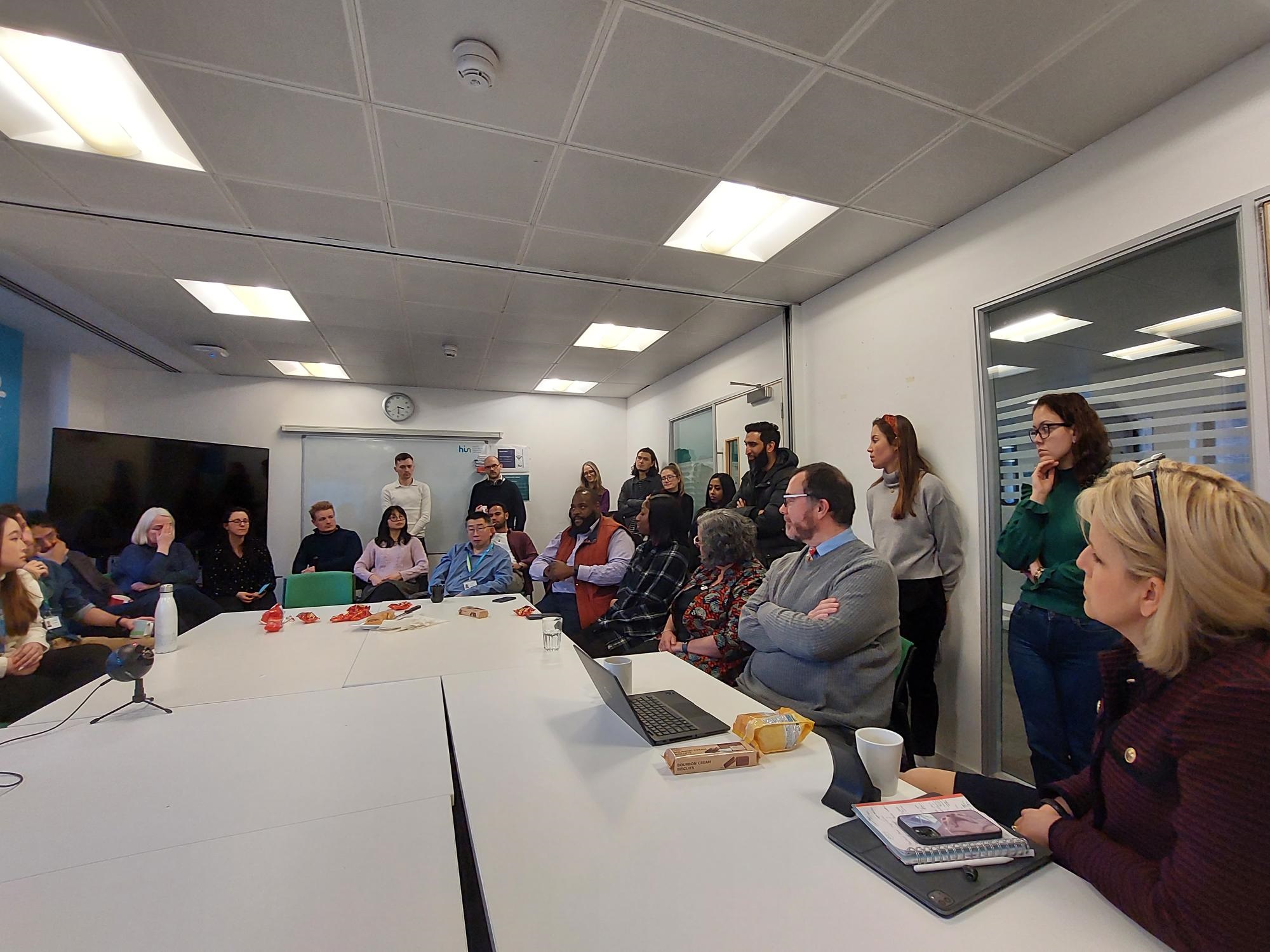
We recognised we were not alone in this. We held a roundtable discussion with south London organisations: South London and Maudsley NHS Foundation Trust, Guy’s & St Thomas’ NHS Foundation Trust, Mabadaliko, Greater London Authority, NHS England, and South East and South West London ICBs to share reflections, lessons learned, and approaches taken in this challenging area of work.
Evaluation
We held an independent evaluation for the project to understand the impact this had on the organisation and evaluate if we were able to achieve our aims.
The key findings of this evaluation were:
- Cognitive impact: The project led to individual reflection and development within the HIN. Colleagues noticed change in how they thought about race, racism and anti-racism; and greater awareness of implicit bias and microaggressions. Individual, non-trivial and lasting impact was greatly experienced in terms of how colleagues speak with one another, in or outside of work and generalised towards people experiencing other forms of discrimination.
- Processes and structures at the HIN: Work seeking structural change has started and achieved initial results. In recruitment, there has been an increase in global majority staff member. Between 2020 and the 2023 the proportion of HIN staff who came from the Global Majority increased from 25 per cent to 30 per cent. The HIN has placed greater time and investment in race and health inequality tools such as a Reducing Health Inequalities Community of Practice and a review of the Diverse Panel Member recruitment initiative.
- Cultural shift: There was unanimous agreement that the project had created “very open spaces for dialogue, for people to share” and had enabled HIN staff to have conversations about race. The confidence level of colleagues in speaking about race and racial inequality increased by from 3.2 to 4.0 out of 5 over the reporting year.
- Global Majority staff experience: For all Global Majority interviewees, the project led to learning, self-exploration and re-engagement with difficult memories. The emotions triggered were complex and often contrasting – relief, grief, gratitude, anger, doubt, trust, mistrust, empowerment, passion to do something and many more. There is more work to be done before Global Majority staff feel that their daily experience at the HIN has clearly improved.
You can view the full evaluation report and recommendations here
We also conducted a review of workplace interventions which you can view here
Key programmes outcomes
- 11 anti-racism Team Champions
- 10 individual team meetings leading to tailored action plans
- Five internal training events delivered by clinical psychologists
- Three colleague-led learning events on microaggressions, pronunciations and anti-racism
- Twenty-five per cent increased uptake of host trust suite of equality, diversity and inclusion training modules
- Our first internal campaign focused on racial inequality as part of Racial Equality Week 2023
- Three organisation-wide meetings focused on language, change and programme updates
- One roundtable event with south London NHS trusts, community and local government organisations
- Development and design of an Anti-Racism Toolkit and additional resources
Organisational Development Resources
The Anti-Racism Team has developed tools to support organisations in tackling racial inequality and promote equality, diversity, and inclusion.
How To Talk About Race HIN toolkit
The toolkit aims to provide practical guidance and support for individuals, organisations and communities who are tackling racism in all its forms. You’ll learn how to have open and honest conversations about race, how to get comfortable with being uncomfortable, and what sustainable steps can be taken to tackle racism in your community or workplace.
Diverse panel guide
A diverse panel is a recruitment approach that involves including individuals from a range of diverse backgrounds and experiences in the selection process for a job. In this context it typically includes people from different ethnic and racial groups. The goal is to ensure that the selection process for a role is fair and inclusive, and that all qualified candidates have an equal opportunity to succeed. We wrote out top tips for managers and panel members to utilise when it comes to interviewing.
Anti-racism discussion framework
Talking about race and racism can be difficult and uncomfortable, but necessary to tackle racism. This was a starting point for the us at the HIN, and in having these conversations, we have learnt vast amounts along the way. We recognise that it’s hard to know where to start, so we have developed a:
- Team Discussion (PowerPoint slides)
- Section 1 in the Toolkit is focused on how to talk about racism.
- Our first blog, four lessons we learnt on the anti-racism project, shares reflections centred around the discussions teams were having internally.
Get involved
If you would like to find out more or get involved with our community of practice, get in touch.
Stay up to date
Our newsletter keeps you in the loop with the latest developments in health and care innovation.