


Community and care homes
Overview
We work with partners across health and social care to support the delivery and improvement of out-of-hospital care. This includes collaboration with NHS community services, primary care, and social care providers.
Our work has a strong focus on ageing and healthy ageing. We understand the complexities of supporting older people and focus on identifying, implementing and spreading innovations that improve care and outcomes.

Areas of expertise
- Programme management and facilitation to support the implementation and spread of evidence-based innovation
- Supporting health and social care providers to improve services and deliver system-wide change
- Providing advice and connections for innovators, helping them engage with relevant partners across south London
- Designing and delivering learning networks and communities of practice to support collaboration and shared learning
- Supporting leadership development in care homes across south London
- Expertise in evaluation and service transformation
- Clinical leadership from our Clinical Director, Dr Carrie Chill, an experienced GP and commissioner
Developing the future of neighbourhood health
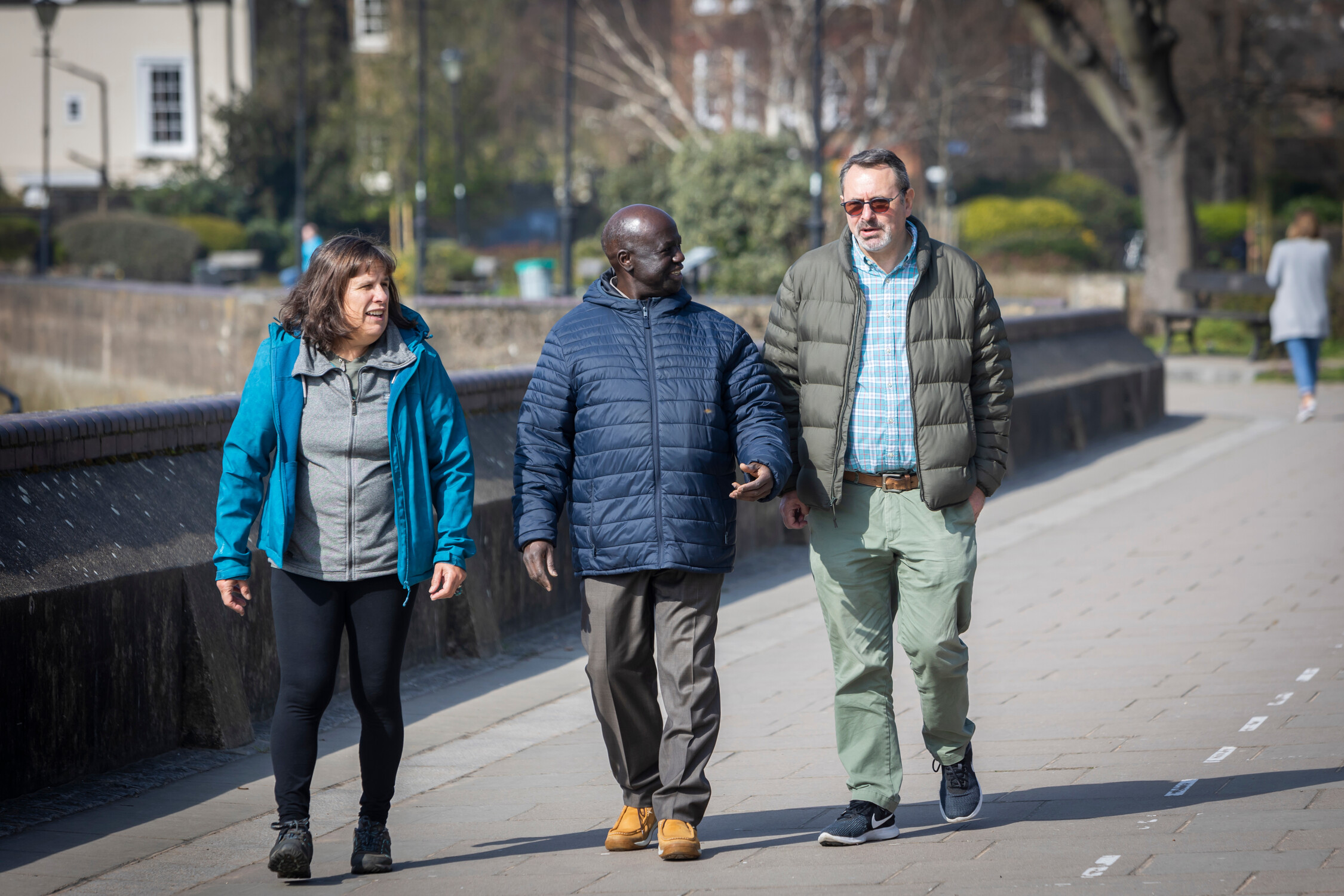
Moving care closer to home and joining up services within their existing communities is one of the most ambitious transformation programmes of our generation.
Building on our existing links with services, organisations and communities across London, we are already working with a range of partners to shape neighbourhood health in our capital.
Wherever you are in planning, implementing or evaluating neighbourhood health, we can support you. Some of our services include:
- Facilitating collaboration. Whether delivering high-impact workshops or establishing sustainable communities of practice or learning networks, we can provide expert facilitation to support building the relationships necessary for effective cross-organisational collaboration across all staff groups.
- Leadership development. We work with senior and emerging leaders to build their confidence and collaboration skills as they take on new responsibilities across multi-disciplinary teams and organisations. Topics include culture setting, defining theories of change and evaluation techniques.
- Programme management: Whilst planning your approach to neighbourhood working, there are many things to consider. We can support in identifying workstreams, tracking milestones, risks, key performance indicators and setting overall programme direction, specific to your approach during times of significant change.
- Training and master classes. Delivered online or in-person, we can provide training on techniques for collaboration and facilitation critical for change, including using behavioural insights, the principles of quality improvement, and involvement and co-design. Each session is tailored to the specific demands of health and care transformation programmes.
Integrated Neighbourhood Teams (INTs) – How to create the conditions where INTs can flourish
The Brief: What does Neighbourhood Health and Care really mean, and how can we support staff to work in this way?
Increasing awareness and adoption of the Universal Care Plan in London’s care homes

The challenge
The use of the Universal Care Plan (UCP) increased across London since its introduction in 2022. However, adoption within care homes has been slower than in other parts of the system.
Integrated Care Boards (ICBs) identified this as a priority area, recognising the need to better support care homes to use the UCP consistently and effectively.
Solution
We developed a multi-layered approach to support the adoption of the UCP in care homes, combining system insight with practical, peer-led support. This included:
- Evidence-based insights to understand barriers and opportunities for adoption
- A tailored toolkit to support care homes in using the UCP
- System-wide engagement events to share learning and build confidence
- Strategic recommendations to support ongoing adoption and improvement
Having a Universal Care Plan was vital to ensure care is coordinated and residents’ wishes are respected. It also helped to reduce the need for difficult conversations in the last days of life.
Care Home Manager
276
We held 68 engagement meetings reaching 276 people from across London.
1,000
Our resources were digitally shared with over 1,000 care home staff and system stakeholders.
3,000
We provided over 3,000 hard copies to care home staff and stakeholders.
247
By March 2026, the UCP had been accessed x times, in comparison to 247 in March 2024.
Supporting the national rollout of ESCAPE-pain

The challenge
Osteoarthritis (OA) places a significant and growing burden on individuals and health systems. Despite strong evidence for effective interventions such as ESCAPE-pain, uptake has historically been limited.
Key challenges included:
- A rising prevalence of osteoarthritis and associated impact on quality of life
- A gap between evidence and routine practice
- Difficulties in scaling proven healthcare innovations
- Systemic and cultural barriers to adoption across different settings
Solutions
Working alongside the Health Innovation Network, we supported the large-scale implementation of the ESCAPE-pain programme across England. This involved building partnerships, adapting delivery models to local contexts, and ensuring consistent quality as the programme expanded.
Between April 2018 and December 2019, the national scale-up of ESCAPE-pain:
- Increased delivery sites from 60 to 260
- Enabled 16,876 people to complete the programme
- Achieved 99% of its national annual target in the first year
53.5%
The programme was successfully delivered across a range of settings, with over half of sites (53.5%) based in community locations such as leisure centres and community hubs.
77.8%
Participants reported measurable improvements in pain, function and quality of life across both knee and hip osteoarthritis. Importantly, 77.8% of sites continued delivering the programme after initial implementation, demonstrating long-term sustainability.
1,123
A total of 1,123 facilitators were trained, including both clinical staff and fitness professionals, supporting wider and more sustainable delivery.
Live projects
Transforming lower limb wound care programme in south east London – Information for clinicians
Stay up to date
Our quarterly newsletter shares news and highlights from the Community and care homes team.
Get in touch
If you’re looking to improve out-of-hospital care, support care home communities, or implement and scale innovation for older people, we’d be happy to work with you.
We can support you to identify opportunities, connect with partners across south London, and apply solutions that improve care and outcomes.
Projects
Latest

London Neighbourhoods Community of Practice resource hub
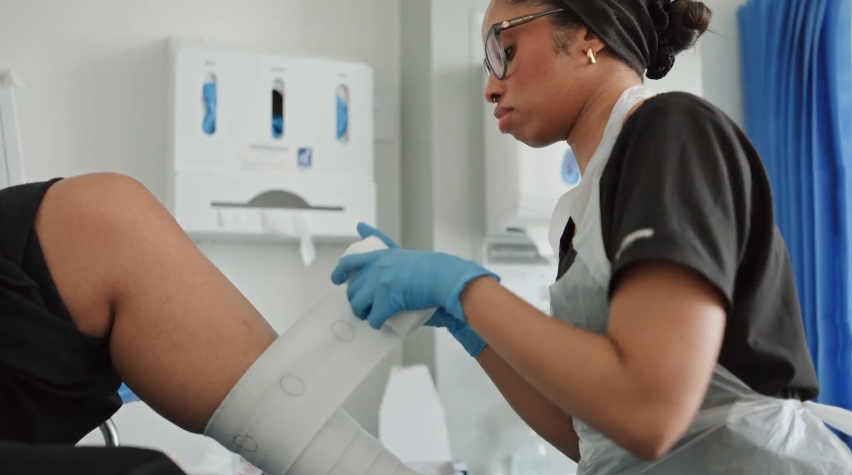
Transforming lower limb wound care programme in south east London – Information for clinicians

Transforming the Lower Limb Wound Care Pathway – Information Hub
News
Latest
Creating a safe space for care leaders to share ideas and implement sustainable change
Inside Southwark’s lower‑limb clinics: from “just dressing” wounds, to healing them
Transforming lives with faster healing: South East London embarks on a three‑year journey to improve lower limb wound care
Blog
Latest