


Involvement
Embedding lived experience to shape innovation


Overview
We believe that people with lived experience bring essential insight that strengthens every stage of health and care innovation, and are passionate about embedding a culture where involvement (or patient and public involvement) is at the heart of all we do. This begins from the outset, with our Lived Experience Partners, who work with us using their involvement skills, local engagement networks and their own personal experiences of the health and care system.
Our involvement approach ensures that patients, service users, carers and communities shape how innovations are designed, tested and delivered. This commitment is embedded across our organisation and guided by our Involvement Strategy, and we are keen to work with partners to support meaningful involvement across the health and care system.
Areas of Expertise
- Meaningful and embedded involvement
Our team brings deep, long standing expertise in ensuring people’s voices genuinely shape innovation. We embed involvement at every stage, from setting priorities to co designing and evaluating projects, driven by a strong, proven commitment to equality, diversity and inclusion. - Co-design and experience-based co-design
We are recognised specialists in collaborative design, using methods including Experience Based Co Design to bring patients, carers and clinicians together. Our approach translates lived experience insights into practical, person centred improvements that strengthen services and outcomes. - Recruiting and supporting Lived Experience Partners
Since 2022, we have employed and professionally supported Lived Experience Partners whose specialist insight enhances the programmes we deliver. Their expertise ensures lived experience is not only included but actively shapes decision making and drives improvement across our work.
- Building community networks
Our involvement team including our Lived Experience Partners have established strong relationships with community groups and advocates across south London. Targeted, culturally competent outreach enables us to engage people whose voices are often underrepresented in health and care innovation. - Creative involvement methodologies
We bring skills in creative and adaptable engagement methods that make involvement accessible, inclusive and meaningful. Our team uses visual and narrative formats to help people share their experiences in ways that feel natural and empowering. - Championing involvement across the system
We actively champion best practice by sharing learning through conferences, publications, events and networks. This helps raise the profile of meaningful involvement and strengthens capability across the wider health and care system.
Using Experience Based Co-Design to improve and integrate mental health pathways within pulmonary rehabilitation services in south east London

10 hours
of events, including 3 feedback events and 3 co-design workshops held with 12 staff members and 8 patients
10 hours
interviewing 9 patients and 7 staff members
One
20 minute impact film produced from patient interviews
“I’m really pleased to be able to contribute to improving the service. Taking part in these discussions has been stimulating, and it’s encouraging to see the focus on making care more consistent across south east London.”
Patient feedback
“I used to give people surveys to complete… but EBCD is an incredibly powerful way to hear patient voices. The level of trust in the group has resulted in people sharing really profound insights.”
Staff feedback
The challenge
People with long-term respiratory conditions often experience mental health difficulties, but there was no clear or consistent pathway within pulmonary rehabilitation for accessing mental health support. This contributed to unmet needs, poorer outcomes, and in some cases, disengagement from pulmonary rehabilitation programmes.
The solution
We used Experience-Based Co-Design (EBCD) to bring patients and staff together to identify priorities and develop practical recommendations for improving access to mental health and wellbeing support within pulmonary rehabilitation pathways.
The process included filmed patient interviews, staff and patient feedback events, and co-design workshops culminating in a shared set of improvement actions.
Understanding children and young people’s use of digital health information

123
participants engaged across surveys, interviews and workshops
6
priority areas for action were identified, including building trust, improving accessibility, addressing digital inequalities and embedding ongoing co-design
Barriers included
limited trust in unregulated platforms, conflicting online messages, and practical issues such as data limits or device storage.
The challenge
Children and young people increasingly seek health information online, but little is known about how they choose platforms, assess trustworthiness, or navigate digital barriers. This created a risk of inequitable access, misinformation, and missed opportunities to support early help and prevention.
The solution
A mixed methods engagement programme involving surveys, interviews, and school workshops was conducted.
These explored how children and young people search for information, what they find useful, and which design features support their understanding. Insights were then translated into six priority recommendations for commissioners to improve digital health resources.
Co-designing digital solutions for children and young people waiting for mental health services

4
children and young people and 12 parents took part in focus groups
11
children and young people and 2 parents participated in co-design sessions
8
children and young people and 5 parents attended the defining workshop
The challenge
Demand for children and young people’s mental health support continues to exceed available capacity. Many face long waiting times for child and adolescent mental health services (CAMHS), with limited access to early support while they wait.
The solution
We worked with children and young people and parents with experience of CAMHS waiting lists to explore how digital mental health technologies (DMHTs) could provide additional support.
Through a series of focus groups, a defining workshop and co-design sessions, we created space for participants to share their experiences and shape potential solutions. This involvement helped identify where clinically validated digital tools could best support CYP aged 11+ experiencing anxiety and depression.
Stay up to date
Subscribe to our Partners with People newsletter and hear more about involvement opportunities at the HIN.

Get in touch
If you’re interested in involvement or would like support with involving people and communities in your health or care project, our team would love to hear from you.
Whether you’re looking to co design a service, embed lived experience into a programme, or strengthen involvement across your organisation, we can help.
Projects
Latest

HIN Involvement Strategy 2026-2030
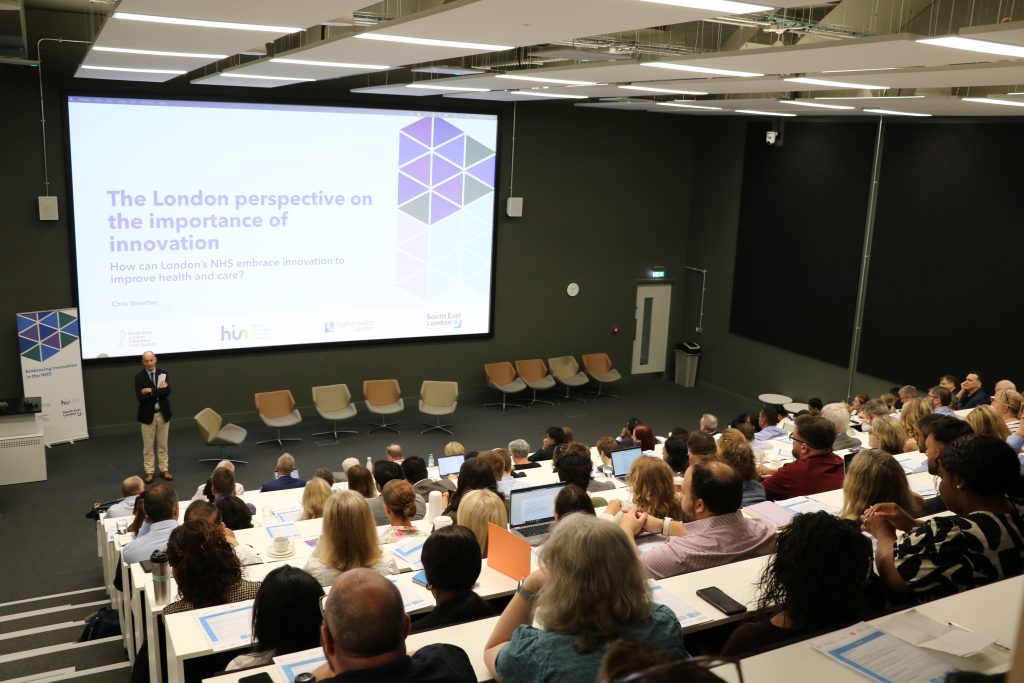
Top tips for navigating conferences: from attending to speaking

News
Latest
Involvement opportunity: resident panel members to inform the development of community-based weight management services
Applications open for the London Cardiovascular Renal Metabolic Fellowship 2026-27
Health Innovation Funding Opportunities
Blog
Latest