Mindset-XR Innovation Support Programme company spotlight: Little Beginnings

For December, our Mindset-XR Innovation Support Programme spotlight is on Little Beginnings Ltd and their solution Rumii.

Little Beginnings Ltd, founded in 2021 by Dr Fin Williams, uses immersive extended reality to help young people maintain mental wellbeing.

Their mission is to make every smartphone a mental health guardian.

Rumii — a web app and platform already piloted in six schools — passively analyses smartphone data on behaviours, habits, and relationship to phones to detect signs of mental health decline.

When the algorithm detects changes in these patterns, it responds with supportive nudges and conversational AI that helps guide behavioural change.

Below, we hear from Fin who shares insights about the company and her innovative approach to wellbeing.


What advice would you give budding innovators?

Build a strong network - not just your immediate team, but also fellow founders for guidance and strategic advisors who can shape your go-to-market strategy and open key connections.


What's the most exciting fact you have about the use of XR in mental health?

The most exciting impact is the deeper sense of immersion and its effect on engagement.

A 2022 study in Frontiers in Psychology found that 70% of participants felt more engaged and experienced a stronger sense of presence.

For us, using Augmented Reality to create vivid visual memory imprints for breathwork and compassion practices offers the potential for these techniques to be recalled more easily when they’re needed most.

What is the biggest challenge you have faced so far in developing your innovation?

Funding! And the pace of change in the tech. We’re in one of the toughest climates, expanding into new market sectors, with technology that is advancing all the time.

The bar for demonstrating impact is much higher with potential investors, so we’ve had to be highly creative in what we develop and how we allocate funds to reach the next milestone.

Why should the health and care system be excited about your innovation?

Our ability to use raw sensor data to passively detect and proactively support means we can enable remote patient monitoring, early detection within the health system, and timely intervention without relying on young people to report or seek help, which is often hardest when they’re struggling.

This impact is already resonating with users; as one person who trialled our product shared, “I’ve never seen anything like this before - it’s great to be able to see my behavioural health like this!”


  • How could your innovation tackle inequalities in mental health?

    Globally, there’s a shocking statistic: only one therapist for every 200,000 people, yet 70% of the world has access to a smartphone — actually higher than access to a toilet!

    We use the smartphone sensors to passively detect and proactively support mental health. With such widespread access to smartphones, our aim is to improve access to support globally.


    What type of support are you seeking most from readers to help drive your project forward?

    We’re eager to build strong connections with those involved in NHS trials, Contract Research Organisations, remote clinical providers, and pharmaceutical companies as these are the types of  organisations where remote patient monitoring can actively be used to provide trial support, medication adherence, and proactive early intervention in long term conditions.

    If you work in any of these areas anywhere in the UK, we’d love to hear from you.

    Please email us at fin@rumii.app to start the conversation.

Want to find out more about our Mindset-XR Innovation Support Programme?

Sign up to our monthly newsletter and keep up to date with all the latest news

Click here

Driving innovation in mental healthcare through digital solutions: Key takeaways from the BMJ Digital Health Conference

Post Title

Last month, our Head of Mental Health, Aileen Jackson, attended the BMJ Digital Health and Innovation Community Conference, a gathering of leading voices shaping the future of healthcare through technology.

In this blog, Aileen reflects on the challenges and opportunities for clinicians, researchers, innovators and digital health experts as they explore how data, design and human insight can transform the way we deliver care.


Attending the BMJ Future Health conference in November was a powerful reminder of the energy, ambition, and complexity driving digital transformation in health and care.

With many of our partners, the Health Innovation Network South London and Innovate UK were proud to join the conversation and showcase Mindset-XR innovations in mental health.

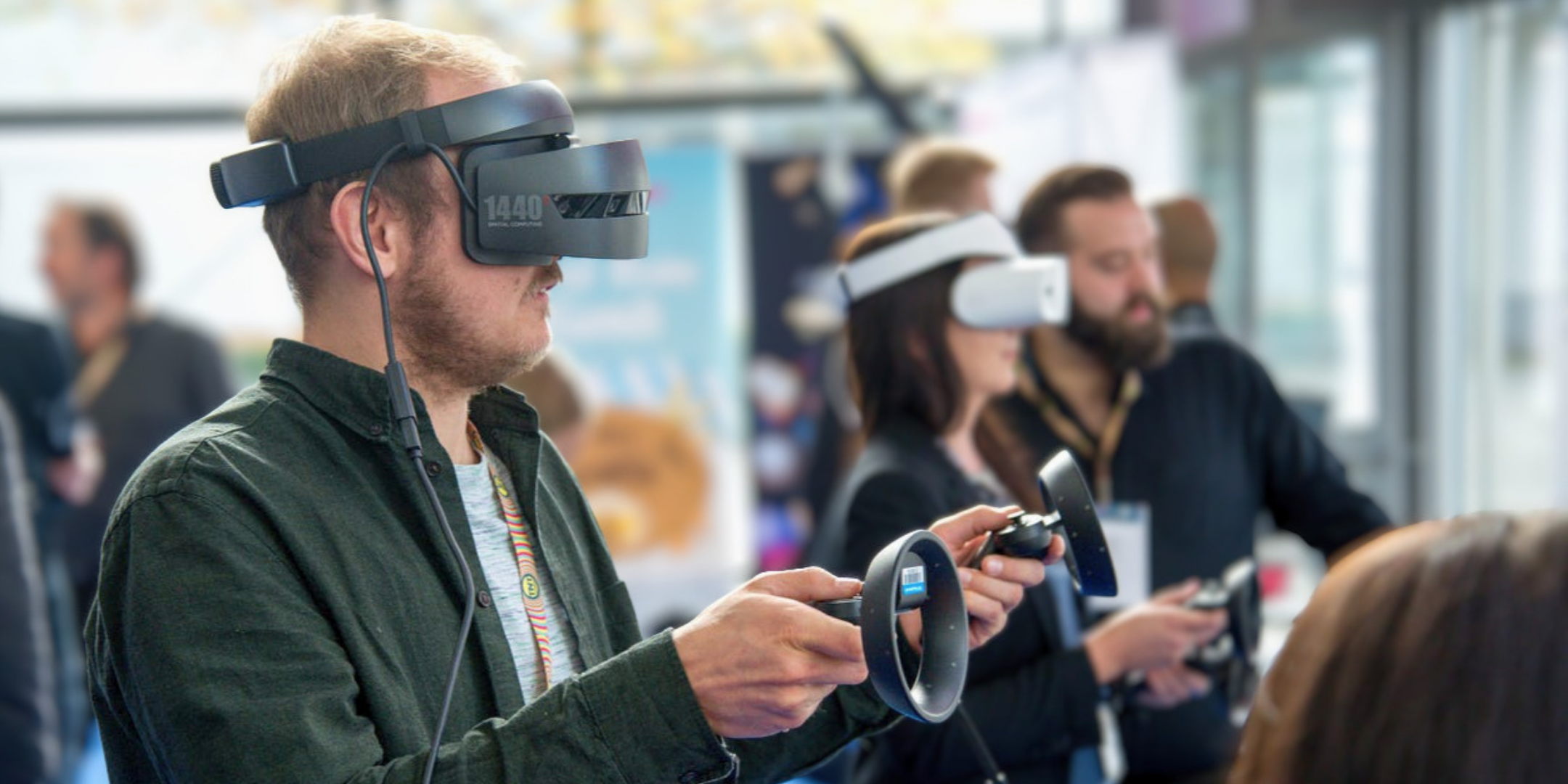
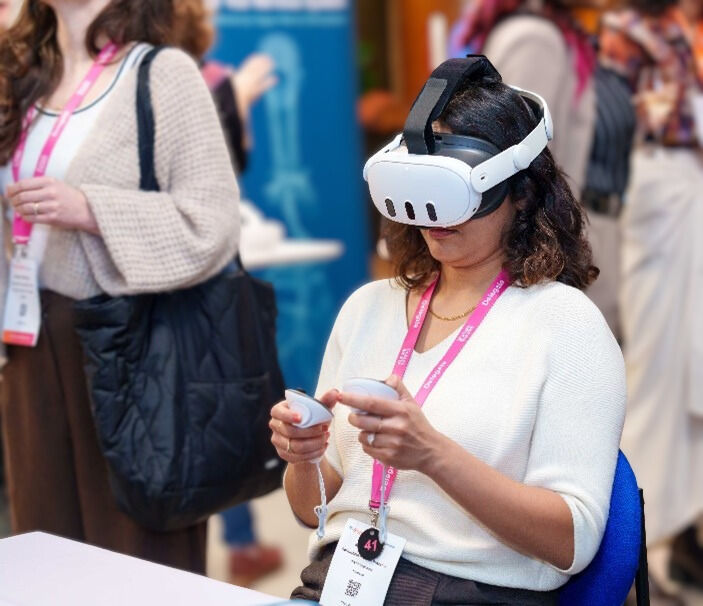
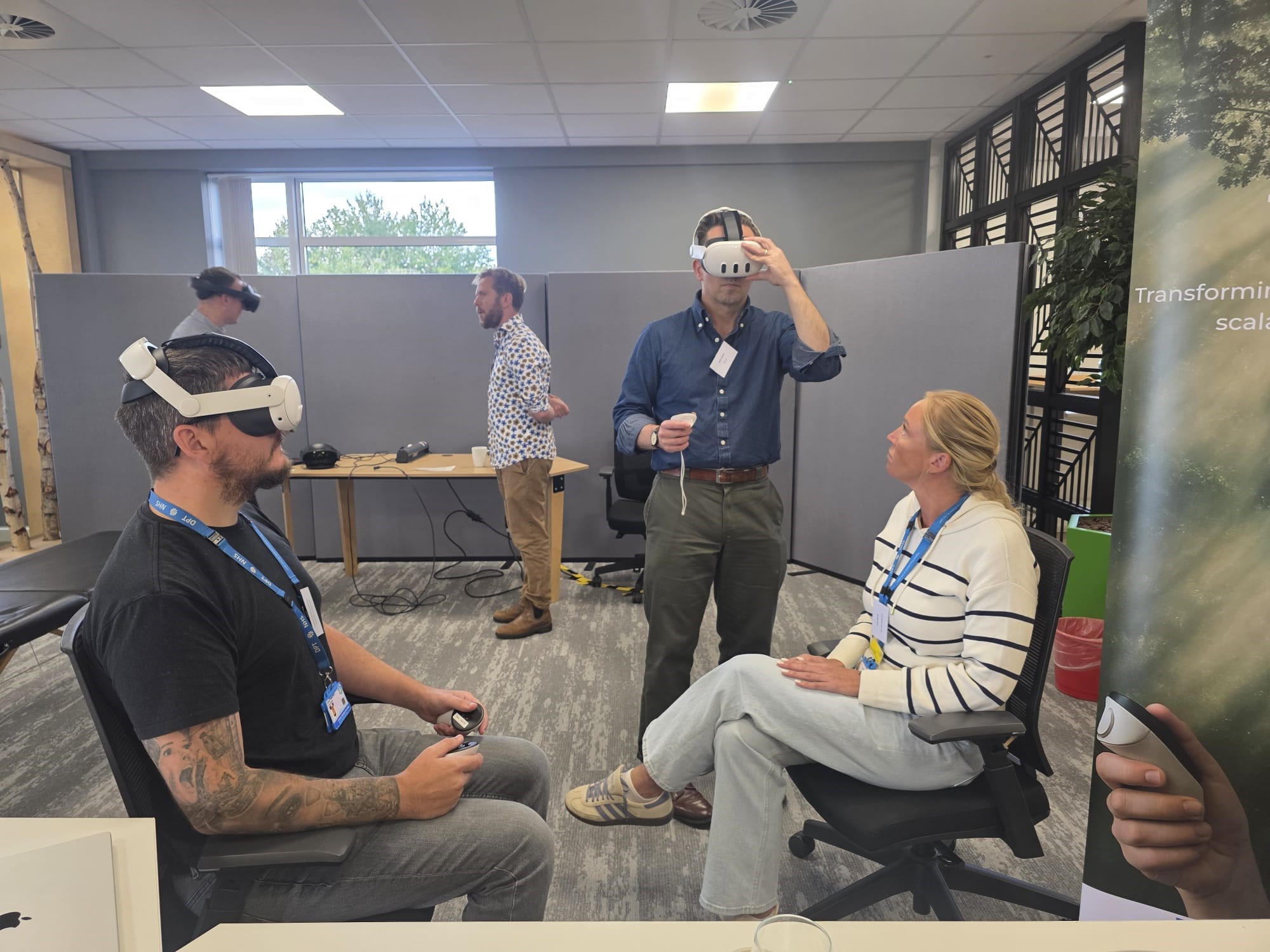
The day was rich with ideas, challenges, and opportunities, and the excitement around XR solutions was clear, with delegates queuing to experience them firsthand.

Here are the key themes I took away, along with insights from our Mindset innovators after sharing their solutions.


Short and Sweet Headlines are Best!

Short and Sweet Headlines are Best!

Short and Sweet Headlines are Best!

The urgency to innovate - but at what cost?

At the event, one thing was clear: there’s a real impatience to bring about change. The energy in the room was palpable — an eagerness to move quickly, implement digital solutions, and transform services.

That momentum is exciting, but it can also be a double-edged sword.

When we rush, we risk introducing technology that doesn’t work as intended, doesn’t scale, or fails to integrate with existing systems. Innovation is essential, but it needs to be paired with a commitment to doing it thoughtfully and well.

Moving fast is good — but moving wisely is better.


Empowering the workforce - not just digitising it

Another strong theme was empowerment. And it wasn’t just about giving people tools — it was about involving them in creating those tools.

Co-designing with clinicians and people with lived experience, building digital confidence, and ensuring technology is evidence-based are the foundations of meaningful transformation. Digital change isn’t something that can be imposed; it has to be built collaboratively.

The conference also highlighted an important reality: healthcare isn’t solely clinical. In fact, only 52% of the NHS workforce is made up of clinicians. The rest includes professionals in management, HR, training, IT, administration, and more.

For digital interventions to succeed and remain sustainable, every one of these roles must be part of the co-design process.

There was also a clear call for Royal Colleges and training institutions to embed digital skills into medical, nursing, and allied health education. Encouragingly, younger staff — often digital natives — tend to adapt quickly to new technologies. But that doesn’t mean training can be skipped. Upskilling needs to be intentional, inclusive, and continuous.

“Attending the event — both as innovators and observers — gave us valuable insights.”Emmanuel Stiels, co-founder of Reinhart

Voice technology: Timesaving or time-shifting?

Ambient voice technology was a big talking point. It has the potential to save time — but what happens with that extra time? Should clinicians use it to see more patients, or spend more time with each one? Is the goal quantity, quality, or a balance of both?

There’s no simple answer, but it’s an important question to ask. Ultimately, technology should help enhance care, not just speed things up.

“The event gave us insights into areas of clinical need and innovation that we hadn’t fully appreciated before. It has really broadened our thinking about how Harmony can best fit into the realities of frontline healthcare, and it’s given us a great deal to reflect on as we continue developing the product.”Ria Carline, co-founder of Greener Games Ltd

Tech companies: Mission-driven, not just market-driven

One clear takeaway for tech providers: stay true to your mission. Keep your focus on solving real challenges and creating meaningful impact for both patients and healthcare professionals. And remember, sustainability matters — financially and operationally — because lasting solutions are what the industry truly needs.

It’s equally important that new technologies integrate smoothly with existing systems. Without interoperability, even the most groundbreaking innovations risk becoming isolated silos.

“The National Innovation Accelerator (NIA) is clearly the route for scale once you have proven impact in real NHS settings, but their assessment lens is firmly on health inequalities, net-zero and robust real-world data, so it pays to build those dimensions into early pilots rather than retrofitting them later.”As Dr Alex Boyd, founding Executive Director of Intercultural Roots

Risk aversion vs calculated risk

Health and care systems are naturally risk-averse — and for good reason. But if we want to innovate, we need to get better at taking calculated risks, learning from mistakes, and creating safe spaces to experiment. Innovation without risk is a contradiction.

That said, risk-taking doesn’t mean being reckless. It means being thoughtful about how we frame and implement new ideas.

“An important lesson I learned at the event was that commissioners and clinicians responded best when XR tools were framed not as ‘nice tech’ but as specific, prescribable interventions mapped across a whole care pathway (prevention, active treatment and relapse prevention), with clear system benefits alongside patient stories.”Dr Alex Boyd, founding Executive Director of Intercultural Roots

Stop waiting for permission

One of the most resonant themes? The sense that many are waiting for permission to innovate. Real change often comes from the ground up. We need to empower teams to act, not just wait. Bottom-up innovation isn’t just possible — it’s essential.

There’s a cultural shift needed here — from asking “can we?” to saying “how might we?” We need to create environments where people feel confident to try, test, and learn — even if that means getting things wrong sometimes.

“Overall, the reception was extremely valuable, providing the chance to engage in rich, informal discussions that strengthened relationships and highlighted opportunities for collaboration.”Jane Ollis, co-founder of Sona Ltd

Measuring what matters - outcomes, not just outputs

There was a strong focus on measuring the impact of digital technology — not just rolling it out. This means looking at real outcomes like better patient care, improved staff satisfaction, and greater system efficiency.

Poor implementation of technologies in the workplace is increasingly linked to staff burnout and even people leaving their jobs.

We also need to manage expectations carefully. Electronic patient records (EPRs) were introduced with the hope of reducing clinical workloads, but the results have been mixed. In some cases, the challenges they were meant to address weren’t clearly defined from the start — and today, many clinicians still feel the administrative burden is heavy.

Digital systems have advanced, however, they must go further to deliver the time efficiencies and cost savings that the health and care sector needs.


People, process, and tech - in that order

The three enablers of successful digital adoption are people, process, and technology. The emphasis must always start with people. Without understanding the human and operational context, even the most advanced tech will fall short.

Process comes next — ensuring that workflows, governance, and culture support the change.

Only then can technology truly enable transformation.

“It’s good to see that patient experience is recognised as a top priority in product design.”Nicole Elias, co-founder of Photography Based Therapeutics Ltd

Final thought

I’ve always known that digital transformation isn’t just about tech — but this event was a powerful reminder of how people, systems, and culture play a part too.

We need to move fast, yes. But we also need to move wisely.

And most importantly, we need to move together.

Mindset-XR Innovation Support Programme company spotlight: Animorph / CrossSense


Our Mindset-XR Innovation Support Programme spotlight for November is on Animorph and their spin-off company CrossSense.

Animorph is a London-based co-operative, founded in 2016, which develops immersive software to enhance human potential. It specialises in creating applications for virtual, augmented, and mixed reality by integrating artificial intelligence.

Accountable to a social value policy that prioritises fairness and equity, the company's multidisciplinary team brings together expertise in software engineering, machine learning, service design, neuroscience and psychology.

This unique combination of skills has enabled Animorph to secure and deliver projects with significant impact, such as StayingWell XR which helps people living with serious mental health conditions to identify their early warning signs of relapse.

CrossSense is a spin-out from Animorph. Its specific purpose is to advance Animorph's primary project: an augmented reality (AR) smartglasses application. Recently funded by Round 3 of Mindset-XR funding, CrossSense applies AI to alleviate cognitive impairments and support individuals with mental health conditions including depression and anxiety.


    Below, we hear from co-founder Szczepan Orlins, who shares insights about the two companies and their innovative approaches to cognitive health and wellbeing.


    What three pieces of advice would you give budding innovators?

    • Solve a real problem collaboratively. Work directly with end-users and directly affected stakeholders from the start. This co-development process grounds your ideas and ensures the final solution is genuinely fit for purpose.
    • Build a coalition for change. Actively seek out individuals, such as clinicians, managers or commissioners, who are open to novel approaches and can support piloting your solution in a real-world setting.
    • Share your work early and often, even when you know it needs improving . Embrace vulnerability, every idea can be improved, and feedback brings new perspectives and motivates.


    What's the most exciting fact you have about the use of XR in mental health?

    The VR CBT solution, gameChange, has led to significantly greater reductions in anxious avoidance and distress in everyday situations among individuals with psychosis compared to treatment as usual, especially for those experiencing high or severe agoraphobic avoidance.

    gameChange is a research project led by the University of Oxford, Oxford Health, Royal College of Art, McPin Foundation, OxfordVR, NHS Trusts, lived experience groups and other individuals.

    How has user feedback shaped your product?

    Feedback from patients, clinicians, and allied health professionals has been transformational. It has enabled us to rapidly generate, evaluate, and translate ideas into our software. This co-design process acts as a ‘co-translation’, where diverse stakeholders find common ground. This way we only build what is genuinely needed.


    • What is the biggest challenge you have faced so far in developing your innovation?

      One of the toughest challenges was delivering our first study while simultaneously adapting the software to evolving hardware requirements. An even greater hurdle was shifting the team’s mindset from focusing solely on development to taking on direct coordination and providing technical support for the lead experimenter during study sessions.

      The success of the study also relied heavily on our research partner’s management of protocol and ethics, which proved essential in achieving strong, reliable results.


      Why should the health and care system be excited about your innovation?

      Our innovation, delivered through our spin-off company CrossSense, brings the promise of hyper-personalised, real-time cognitive support into everyday life.

      By using smartglasses that interpret a user’s surroundings, our AI assistant guides individuals through Activities of Daily Living (ADLs) with protocols that continuously adapt to their behaviour over time.

      This approach tackles cognitive impairment as a transdiagnostic marker, giving Memory Clinics and outpatient mental health services a powerful new tool to enhance patient independence and improve outcomes.


      How could your innovation tackle inequalities in mental health?

      All projects delivered through Animorph or CrossSense are developed with experts by experience. Through this collaboration, we strive for  equitable access to solutions.

      Through CrossSense, we have proactively championed accessibility by creating smartphone-compatible and web-based versions of our tools when developing solutions for advanced platforms, such as AR smartglasses.

      We believe device-agnostic, open solutions are fundamental to widening reach and reducing digital barriers in mental health care.


      How is user patient involvement incorporated?

      We always begin with co-design to understand needs and establish core requirements. We then regularly test prototypes and incorporate feedback prior to formal studies. This involvement is so integral that our study protocols are directly informed by people with lived experience.

      Finally, we follow up with participants post-study and keep them informed of the project's progress.


      What XR success stories would you like to share with us?

      We recently finished our CrossSense study #2, funded by Longitude Prize on Dementia and VoxReality (EU Horizons). The study's main objective was to test whether using CrossSense improves quality of life and cognitive abilities of people with cognitive impairment both in tasks directly aided by the glasses (such as naming objects or discussing a scene with the AI assistant) and in broader thinking skills not directly linked to the device.

      We were also investigating how the technology affects not only the end user but also their carer or companion. The questionnaires were administered before and after use of smartglasses to measure changes in wellbeing, memory, and general cognition. We found improvements on all outcomes after a single use of the app.

      Service users said:

      “I was blown away! It gave me clarity, and that’s what people are losing.”

      “The more people have something like this, the better quality of life they’ll have.”


    What type of support are you seeking most from readers to help drive your project forward?

    We’d love to continue building relationships with NHS memory clinics, so if you are involved in that field at all anywhere in the UK, please email us on info@crosssense.com


    Want to find out more about our Mindset-XR Innovation Support Programme?

    Sign up to our monthly newsletter and keep up to date with all the latest news

    Click here

    A call to innovators from NHS England’s National Clinical Director for Adult Mental Health

    Post Title

    By Aileen Jackson, Head of Mental Health, Health Innovation Network South London

    Dr Mary Docherty, National Clinical Director for Adult Mental Health NHS England, Consultant General Adult and Liaison Psychiatrist South London and Maudsley NHS Foundation Trust, joined our final Mindset-XR roadshow event in London last month.

    In a powerful keynote address, Dr Docherty laid bare the pressing challenges facing mental health services across the country such as the £16 billion spent annually on remedial action due to lack of early intervention, and the many billion per year lost to work-related mental health issues.

    Dr Docherty’s message was clear – while progress has been made, there are still plenty of opportunities for innovators to apply targeted, inclusive innovation in the mental health space.


    Gaps in access and outcomes

    Despite increased investment and expanded capacity, the demand for mental health services continues to outpace supply leaving many individuals without timely access to the support they need.

    Dr Docherty outlined several promising opportunities for innovators. Among adults experiencing anxiety and depression, nearly 24% of patients in the final quarter of 2024/25 waited more than 90 days between their initial assessment and the start of treatment. This delay highlights a significant gap in timely care.

    For children and young people (CYP), the situation is even more concerning. In 2023/24, an estimated 1.7 million children and young people were believed to have a probable mental health disorder. However, only half of them received support through NHS-funded services, indicating a substantial shortfall in provision.

    The number of people with severe mental illness (SMI) accessing mental health support has grown by 31% since 2022, driven by both rising demand and some expansion of available services.

    But disparities in treatment access and outcomes remain unresolved. For example, people with autism and ADHD continue to face persistent barriers to accessing care.

    Also, our ageing population often faces interconnected physical and mental health challenges, adding extra complexity for services that are already under strain.

    These challenges highlight the need for service models that are both inclusive and adaptable - something innovators should prioritise during the design phase and in ongoing development.

    The Health Innovation Network South London is enthusiastic about the growing role of XR in mental healthcare and is confident that innovators can meet these challenges.


    Short and Sweet Headlines are Best!

    Short and Sweet Headlines are Best!

    Short and Sweet Headlines are Best!

    Workforce pressures: Skills, morale and retention

    The mental health sector is driving the shift from hospital-based care to community support, with community-led services growing nearly 40% since 2016. However, persistent workforce shortages threaten the sustainability of this progress.

    Dr Docherty noted that one significant opportunity for innovators lies in tackling the high vacancy rate in mental health nursing, which is currently 10.2% which is well above the NHS average of 5.9%.

    While acknowledging that retention challenges, particularly among specialist staff, further compromise continuity and quality of care, Dr Docherty emphasised that the practitioner is, in essence, the therapeutic tool. This reality makes the role inherently emotionally demanding.

    Consequently, staff wellbeing has become a critical concern, with rising levels of burnout and emotional exhaustion reported across the sector. These pressures impact not only individual practitioners but also the overall resilience and effectiveness of mental health services.

    So, it’s encouraging to see Mindset innovators developing solutions for staff training and wellbeing, helping keep skilled professionals in the workforce.


    Equity and experience

    Mental health outcomes continue to show significant disparities across different populations, highlighting the need for more equitable approaches to care.

    Individuals with severe mental illness (SMI) consistently experience poorer health outcomes and face a widening mortality gap compared to the general population.

    Inequalities are further compounded for people living in deprived areas and those from global majority communities, who often encounter barriers to accessing mental health services.

    And mental ill health doesn’t just affect individuals - it’s creating wider social challenges. It’s a growing reason why people are leaving or unable to stay in work, reducing productivity and putting extra strain on public services and the economy.

    To tackle these impacts, innovations that recognise and reduce health inequalities across the UK are therefore considered highly valuable.


    A call to innovators

    To conclude, Dr. Docherty drew attention to the forthcoming Modern Service Framework (MSF), which will inform where innovation can drive progress. She emphasised that this will be an important document for innovators to watch in 2026.

    Dr Docherty then went on to ask innovators to consider the priorities of the 10-Year Health Plan – community, digitalisation and prevention - and how their work could address six key areas:

    • Capacity – Bridging supply, demand, and treatment gaps.
    • Workforce – Enhancing skills, morale, and retention.
    • Productivity and variation – Reducing disparities and improving efficiency.
    • Experience and equity – Ensuring fair access and better outcomes.
    • Safety – Improving care across all settings.
    • Cost – Reducing the societal and economic burden of mental ill health.

    Final words: Stay wildly ambitious

    Dr Docherty concluded with a rallying call to innovators, emphasising the many opportunities to make a meaningful impact in mental health. Urging innovators to focus their efforts on closing key gaps in the system including gaps in treatment, capacity, prevention, efficacy and wellbeing.

    When pitching to commissioners, Dr Docherty encouraged innovators to get briefed on the NHS’s current needs, to speak their language, to lead with the problem they are aiming to solve, to include evaluation, - and to remain “wildly ambitious”.

    Mindset innovators in attendance were Aerial Icon, Borderpoint Films, CrossSense, EcoGPX Ltd, GoodWith, Greener Games, Haven XR, Holo-Log, InsideOut, Neurotech, Phase Space, Photography Based TherapeuticsPWFL, Reneural, Tend VR, XR Therapeutics

    Subscribe to the Mindset-XR newsletter to keep up to date with funding opportunities, industry insights and events.

    Mindset-XR Roadshow 2025: Immersive tech solutions for mental health across the UK

    Post Title

    Across September and October, the Mindset-XR Innovator Support Programme team hosted a series of roadshow events across the UK. These partner-led events have given communities the opportunity to share updates and make valuable connections.

    In this blog, Senior Programme Manager, Jill Owens, reflects on these UK-wide roadshows, sharing key themes that have emerged.

    Following the success of last year’s roadshow, we were excited to bring the Mindset-XR Innovation in Mental Health Roadshow back for 2025 – and what a journey it’s been.

    As the programme has grown and gained momentum, its impact is increasingly clear with more innovations being trialled across the UK and a growing spotlight on groundbreaking work throughout the Nation.

    Across the UK, each stop on the tour revealed powerful insights, brought to life through compelling lived experience stories from the frontline of immersive health innovation.


    Short and Sweet Headlines are Best!

    Short and Sweet Headlines are Best!

    Short and Sweet Headlines are Best!

    And we're off!

    Image

    We couldn’t have asked for a better start to the roadshow — Leeds provided the perfect launchpad with its vibrant atmosphere and strong turnout, setting an energetic and optimistic tone for the journey ahead.

    Using examples of good practice from the region, programme partner Health Innovation North West Coast delivered a dynamic and interactive experience for those in attendance.  

    A standout moment came from John Sainsbury, Innovation Manager at Greater Manchester Mental Health NHS Foundation Trust, who shared powerful insights into the impact of gameChange VR therapy. Designed to support individuals with anxiety in everyday social situations, the technology has shown compelling results. John highlighted that many users reported reduced agoraphobia, with some experiencing a significant drop in avoidance behaviours and distress when navigating daily life.

    John reflected on the broader challenges faced by innovators in the NHS, referencing the NASSS framework to illustrate the complex landscape of healthtech adoption. He emphasised the importance of understanding the practical work required to embed innovation and ensure successful implementation.

    The speed networking session, facilitated by Inderjit Singh, Commercial Programme Manager at Health Innovation North West Coast, created space for meaningful conversations among innovators, clinicians, and academics where high-value connections were made in real time.

    Mindset projects in attendance were XR Therapeutics Ltd, PixelMill Ltd and Human Studio Ltd.


    Mind the gap

    Image

    For the event in Exeter, the programme partner Health Innovation South West showcased regional best practices to deliver a highly engaging and participatory experience for attendees.

    Nick Peres, Director of Digital Innovation and Transformation at Torbay and South Devon NHS Foundation Trust, delivered a compelling presentation titled Beyond the Pilot Phase. He addressed a common challenge in healthcare innovation: while most pilots succeed, few scale beyond the testbed. The gap between proof of concept and business-as-usual remains vast.

    Nick outlined the pressures innovators face such as tight NHS budgets, the need to evidence clear return on investment, staff fatigue from the pace of  transformation, demands for immediate measurable impact, and the imperative to tackle health inequalities. He stressed the importance of frameworks that bridge the divide between brilliant ideas and operational delivery.

    A key theme from the day was the need to keep patient experience, clinical expertise, and digital innovation interconnected. Rather than treating these as separate pillars to balance, Nick proposed viewing them as an ecology of knowledge - a dynamic relationship where transformative potential emerges not from their simple combination, but from their mutual influence and integration.

    We also heard from Sam Vine at the University of Exeter about the critical role data plays in helping innovators ensure their solutions reach people from all backgrounds without deepening existing inequalities. Their insights highlighted how inclusive innovation must be informed by robust, representative data.

    Personal innovation journeys from Mindset-XR innovators Play Well For Life, Cineon, Tend VR were shared on the day.


    Why going nationwide matters

    Image

    Joy and playfulness

    Taking the Mindset programme on a UK-wide roadshow is about more than just geography. By travelling across the UK, we’re connecting directly with communities and local partners who understand the unique cultural and economic contexts of their areas.

    By highlighting effective regional practices, the programme partner Health Innovation Research Alliance Northern Ireland (HIRANI) created an energetic and interactive session for everyone present.

    Visiting Belfast reinforced the value of engaging directly and in person. Sharing the day with the Academy of Medical Sciences helped frame the Mindset XR for mental health discussion within the broader context of the health system.

    As with other areas, the city has faced, and continues to face, distinct challenges, and hearing thoughtful discussions about what’s needed to support its progress was truly invaluable.

    Central to the day were stories from the lived experience experts. The audience was deeply engaged by their honest and compelling accounts of living with eating disorders and borderline personality disorder.

    These stories also highlighted the strength of collaboration. The solutions presented felt genuinely co-designed, and it was clear that clinicians are actively engaging with real-world data to shape their approaches.

    Daithi Conlon, MindTrack 360 and Chris Thomas, Propeer, delivered insightful presentations on the innovation landscape, sharing the challenges they've encountered in developing XR tools for mental health, as well as the opportunities they've discovered. Play Well For Life was present at the event.

    Image

    In Dundee, the programme partner DHI Scotland led an engaging and interactive session for participants by highlighting regional best practice.

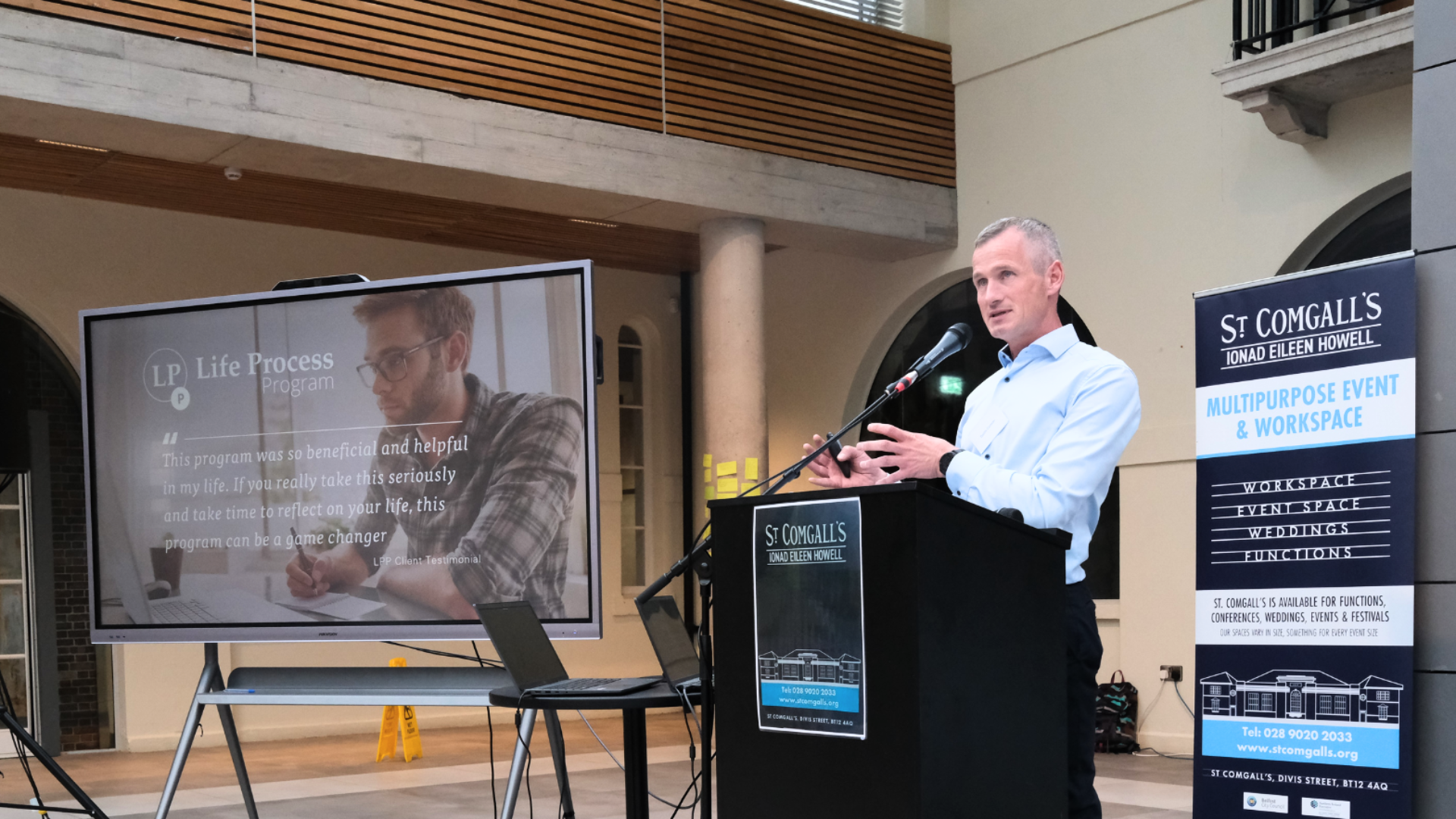
    In particular, the roadshow offered a fresh perspective by spotlighting the city’s vibrant gaming community. Brian Baglow, founder of the Scottish Games Network, delivered a compelling talk on the value of incorporating elements of ‘joy and playfulness’ when addressing mental health challenges. His message was clear: play isn’t just for children, it’s a powerful tool for wellbeing.

    While Dundee is renowned for its creativity and innovation, it’s not widely known that 1 in 9 professionals in the city work in the gaming industry. This statistic underscores the city's unique position as a hub for digital entertainment and interactive media.

    Brian spoke passionately about how gamification permeates our daily lives more than we might realise from smartwatches that reward movement, to TV shows designed to keep us hooked. He encouraged attendees to rethink how game mechanics and playful design can be harnessed not just for entertainment, but for positive social impact.

    We also got a good reminder from Steph Wright, Head of the Scottish AI Alliance, who highlighted the importance of technology having a clear and meaningful purpose. She emphasised that FOMO, fear of missing out, is not a strategy. Simply showcasing impressive capabilities isn’t enough to engage people effectively.

    Matt Hoad-Robson, from Tend VR, shared how he created the first VR mindfulness-based cognitive therapy to be deployed by the NHS launching with Tees, Esk, Wear Valleys NHS Foundation Trust.


    Familiar faces, fresh perspectives

    Image

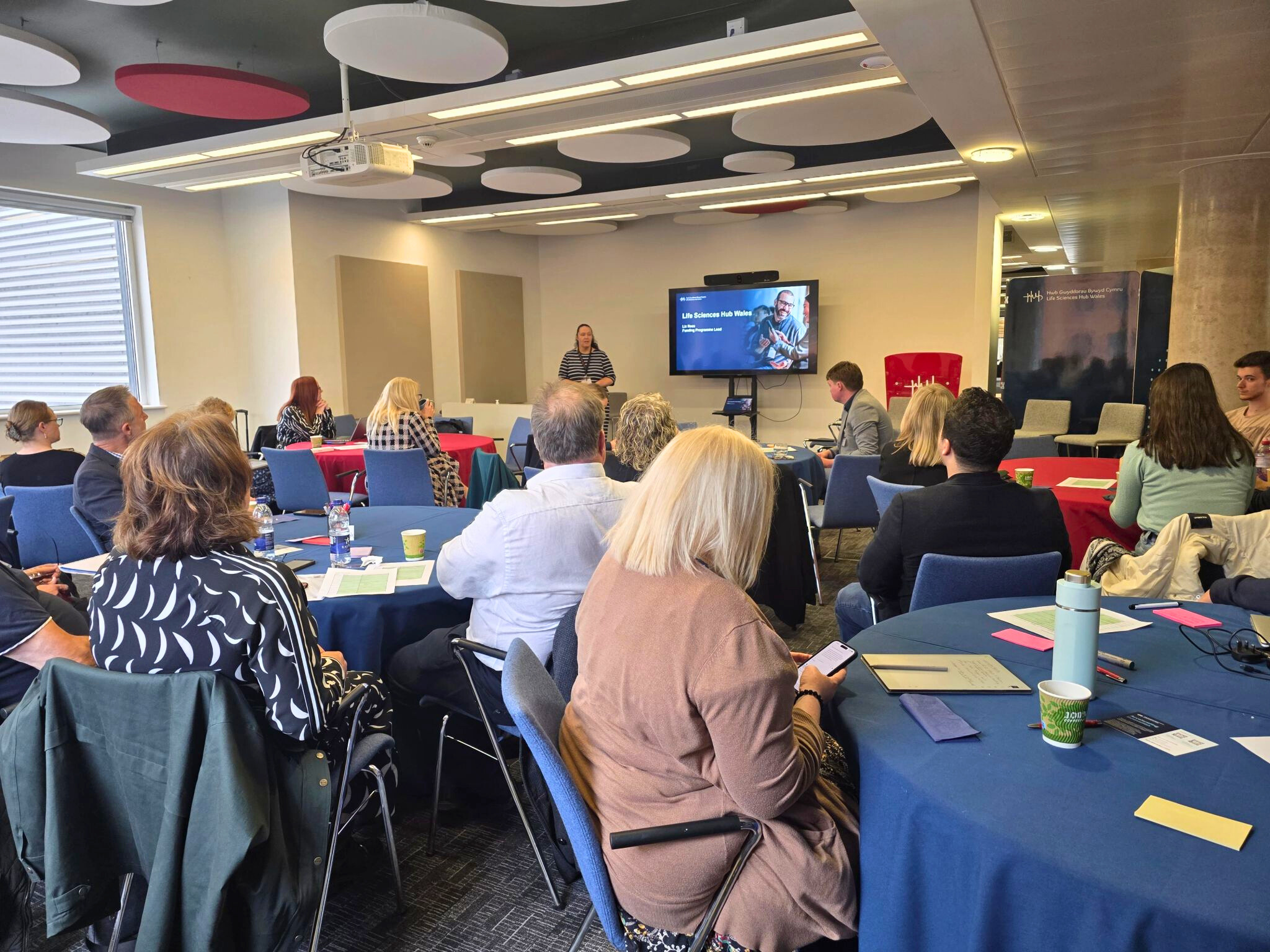
    It was a real pleasure to welcome familiar faces back to the Wales Roadshow this year, led by Life Sciences Hub Wales and to see new connections forming and existing relationships growing stronger. That sense of community added to the event’s electric atmosphere.

    One of the standout moments came from Ceri Phelps, Programme Manager for the MSc in Applied Psychology at the University of Wales Trinity Saint David. Ceri introduced the inspiring Walking in Our Shoes project in partnership with Barrie Evans, Lived Experience Expert and Outreach Coordinator at the Limbless Association. This initiative is a powerful example of how lived experience and co-production can drive meaningful innovation in mental health support.

    Funded by The VTCT Foundation, the project is reshaping how psychological and emotional support is designed for people living with limb loss. At its heart is a commitment to co-production ensuring that amputees are directly involved in creating resources that truly reflect their needs and realities.

    With the roadshows soon drawing to a close, we have just one final stop on this exciting journey – London. The day promises to be rich with insights, featuring panels on lived experience, implementation, and impact. We’re also honoured to welcome Dr Mary Docherty, Consultant General Adult and Liaison Psychiatrist at South London and Maudsley NHS Foundation Trust, and National Clinical Director for Adult Mental Health at NHS England, as our keynote speaker. It’s shaping up to be a fantastic event – more on that next time….

    Mindset-XR Innovation Support Programme company spotlight: Greener Games


    Our Mindset-XR Innovation Support Programme spotlight for October is on Greener Games - a UK-based immersive health company specialising in extended reality (XR) experiences that support emotional wellbeing and mental health. Building on the international success of Nature Treks VR, used by over 300,000 people worldwide, Greener Games is now developing Harmony, a personalised XR platform that helps people explore, express, and regulate emotions in safe, nature-inspired environments.

    Currently in collaboration with Greater Manchester Mental Health NHS Foundation Trust, Harmony is being designed for use with people experiencing moderate to severe mental-health conditions, with the long-term aim of rolling it out to multiple NHS Trusts across the UK.


      Below, we hear from co-founder Ria Kalograni, who shares insights about the company and its innovative approach to wellbeing.


      How has user feedback shaped your product?

      Feedback from a wide range of settings, including NHS clinicians and patients, has influenced the development of Harmony, from the pacing of sessions and sensory balance to the accessibility interface.

      Their guidance ensures Harmony feels safe, intuitive, and genuinely therapeutic for people managing anxiety, trauma, or depression.


      What is the biggest challenge you have faced so far in developing your innovation?

      Our main challenge has been aligning immersive technology with clinical frameworks and NHS digital standards.

      Balancing creativity with compliance requires time, patience and precision, but with early feedback from Greater Manchester Mental Health NHS Foundation Trust and support from the Mindset-XR Innovator Support Programme, we are building strong foundations for the future.


      • Why should the health and care system be excited about your innovation?

        Harmony combines nature, neuroscience, and therapy to offer a safe, evidence informed way to support mental health. It helps clinicians extend care beyond traditional settings, reaching people wherever they are.

        By bridging socioeconomic and accessibility gaps, Harmony opens the door to healing, calm, and connection for those who might otherwise be left behind.


        What XR success stories would you like to share with us?

        A very proud moment was seeing Nature Treks VR featured by the BBC in an NHS setting, supporting women through miscarriage by helping to reduce trauma and anxiety.

        It is a deeply moving example of how immersive environments can bring comfort and calm when it is needed most.
        bbc.co.uk/news/health-60941650


      What type of support are you seeking most from readers to help drive your project forward?

      We are looking to connect with more NHS Trusts interested in exploring how Harmony can enhance wellbeing and therapy delivery.

      We also welcome partnerships that can guide our digital-health accreditation, evaluation, and procurement pathways, any educational setting in helping us bring Harmony into wider use as an accessible tool for support and recovery.


      Founded by John Carline and Eleftheria (Ria) Kalograni, Greener Games creates immersive experiences that nurture calm, connection, and creativity. Their mission is to harness technology not as an escape from the world but as a bridge back to nature, self-awareness, and healing.
      ekalograni@greenergames.net

      Want to find out more about our Mindset-XR Innovation Support Programme?

      Sign up to our monthly newsletter and keep up to date with all the latest news

      Click here

      Mindset-XR Innovation Support Programme company spotlight: Sketchbook Games


      Our Mindset-XR Innovation Support Programme spotlight for September is on Sketchbook Games - an indie game studio that promotes wellbeing through emotionally rich, story-driven games that blend art and narrative.

      Their flagship title, Lost Words: Beyond the Page, explores themes of loss and healing through a unique blend of journal-based storytelling and platforming.


        Below, we hear from founder Mark Backler, who shares insights about the company and its innovative approach to wellbeing.


        What three pieces of advice would you give budding innovators?

        Solve real problems - Focus on genuine pain points or unmet needs.

        Prototype fast, iterate often - Don’t wait for perfection. Build quick, testable versions to learn what works, then refine based on real feedback.

        Build a network - Surround yourself with people who challenge, support, and inspire you. Collaboration and mentorship are fuel for innovation.


        What is the most exciting statistic or fact you have about XR and mental health?

        The use of extended reality (XR) in mental healthcare has been growing rapidly with increasing adoption driven by evidence of its effectiveness in treating conditions like anxiety, PTSD, and phobias.

        It’s an exciting time and this momentum is reflected in the growing interest we’ve seen in our own XR solution signalling a strong demand for innovative therapeutic tools.


        How has user feedback shaped your product?

        User feedback, from academic researchers, users and psychologists, has shaped our XR solution from the start, ensuring it follows therapeutic best practice while remaining safe, engaging, and user-friendly.

        These insights have guided the content and exercises to help us ensure they are relevant and meaningful - and this ongoing dialogue continues to make the product more effective and responsive to real-world needs.


        What is the biggest challenge you have faced so far in developing your innovation?

        Securing funding and sustaining momentum with limited resources has been one of our biggest challenges.

        Like many early-stage health tech projects, we’ve had to balance ambition with practicality in pushing development, testing, and iteration without long-term financial security.

        As a small team, we are strategic in focus and often multitask across roles.

        These constraints ultimately make us lean, focused, and adaptable, which are qualities that strengthen our innovation.


        How could your innovation tackle inequalities in mental health?

        Our games make mental health support more accessible, relatable, and engaging. XR delivers therapeutic content in a flexible, scalable format that reaches beyond clinical settings, including remote or underserved communities with limited access to in-person services.

        It also reduces stigma by offering a private, self-paced way to engage with support, which is especially valuable where seeking help is taboo. In this way, our innovation can bridge gaps in access, representation, and experience, helping to reduce inequalities in mental healthcare delivery and outcomes.


        What type of support are you seeking most from readers to help drive your project forward?

        We’re primarily seeking partnerships and funding to help scale our impact. Specifically:

        1.      Connections to mental health organisations for collaboration and research validation.

        2.      Funding or investment to expand development and reach more users.

        3.      Opportunities to pilot within health or educational settings to test and refine the experience.

        Get in touch at info@scenegraphstudios.com. We'd love to hear from you.


        Want to find out more about our Mindset-XR Innovation Support Programme?

        Sign up to our monthly newsletter and keep up to date with all the latest news

        Click here

        Mindset XR: Introducing Round 3 Companies for the Programme

        In February 2024, the Health Innovation Network (HIN) South London and UKRI announced a multi-year innovator support programme focused on immersive therapeutics for mental health. As part of this initiative, we're supporting 50 projects that are seeking to revolutionise mental health care in the UK through immersive digital mental health therapeutic innovations.

        These companies are part of the first strand of the programme. Additionally, you can learn about the companies we're supporting in the first strand and second strand. Below you can find out more about the companies we're supporting for round three:


        Sign up to our newsletter to learn more about the Mindset Programme and get the latest updates.

        ImageHealth Innovation Network South London

        Find support for your innovation

        Get in touch with our Mindset-XR team to find out how we can help you make an impact.

        Email us

        Welcoming the latest Mindset companies: A growing community of changemakers

        Post Title

        Since early 2024, Innovate UK’s Mindset Programme and the Health Innovation Network (HIN) South London’s Mindset-XR Innovation Support Programme have been supporting the most promising extended reality (XR) innovations in mental health.

        This month, Amanda Begley, Director of Digital and Transformation at the Health Innovation Network South London, warmly welcomes the latest cohort of companies and reflects on the inspiring progress made so far. 

        We’re thrilled to celebrate the announcement of Round 3 winners of Innovate UK’s Mindset Programme, a powerful initiative supporting immersive tech innovators who are working with users, researchers and funders to help transform mental health support and staff training across the UK. 

        This new cohort includes an exciting mix of organisations including: 
        Aerial Icon Ltd (with Reneural), Braingaze Ltd, Care Reality, Cineon Training, CrossSense Ltd (part of Animorph), ECOGPX Ltd, Elixi Health, Good With Ltd, Greener Games, Haven Studios, MindTrack 360, Photography Based Therapeutics, Play Well For Life, Reinhart Group (with SyncVR), Tend VR, XR Therapeutics and Zecora Ura Theatre. 

         It’s fantastic to see familiar faces among the winners - some of whom have previously succeeded in Rounds 1 and 2 - alongside innovators joining the Mindset community for the first time. 

        Jane Guest, Innovation Lead at Innovate UK, shared her excitement with me in welcoming new and existing Mindset projects, from feasibility to industrial research. She highlighted the growth of XR in mental health and its positive impact on the economy, healthcare, and the lives of people with mental health conditions. Her team continue to be excited to help projects maximise opportunities to deliver real impact across the UK. 


        Why mental health innovation matters 

        Mental health challenges affect millions of people every year, yet access to timely, effective, and personalised support remains uneven. The Mindset Programme is helping to close that gap by backing innovators who are aiming to offer scalable, immersive, and evidence-based solutions. These innovations are not just enhancing care; Mindset innovators are working with users to reshape how we understand and respond to mental health needs. 

        From technologies for anxiety, post-traumatic stress disorder (PTSD), and addiction recovery, to tools tackling stress and burnout through mindfulness and behavioural psychology, the breadth of solutions is remarkable. Innovators are also developing adaptive technologies like smart glasses for dementia support, eye-movement analysis for early cognitive disorder detection, and financial wellbeing apps designed by psychologists to address the mental toll of money worries. 

        Beyond clinical applications, the programme supports immersive learning platforms and simulated care environments that train professionals and build socioemotional skills in young people. These platforms offer therapeutic value, including suicide prevention support, and foster resilience through creative approaches like participatory theatre, nature-based storytelling, and photography-led campaigns. 


        Real impact, real progress 

        Early evaluation of the Mindset Programme shows great progress, including support with securing pilots, contracts, and follow-on funding. These successes reflect the programme’s growing influence and the power of collaboration between innovators, communities, public sector organisations and charities. 

        As we welcome Round 3, we’re not just celebrating new ideas, we’re continuing to lay the groundwork that places mental health at the heart of overall wellbeing and sees innovation as a catalyst for change. 

        Explore the programme’s successes further by watching our latest video below showcasing some of the transformative work underway.


        Mindset-XR Innovation Support Programme company spotlight: Scenegraph Studios


        Our Mindset-XR Innovation Support Programme spotlight for August is on Scenegraph Studios an immersive technology company working in the mental health space by developing VR experiences aimed at promoting mindfulness, relaxation, and emotional wellbeing.

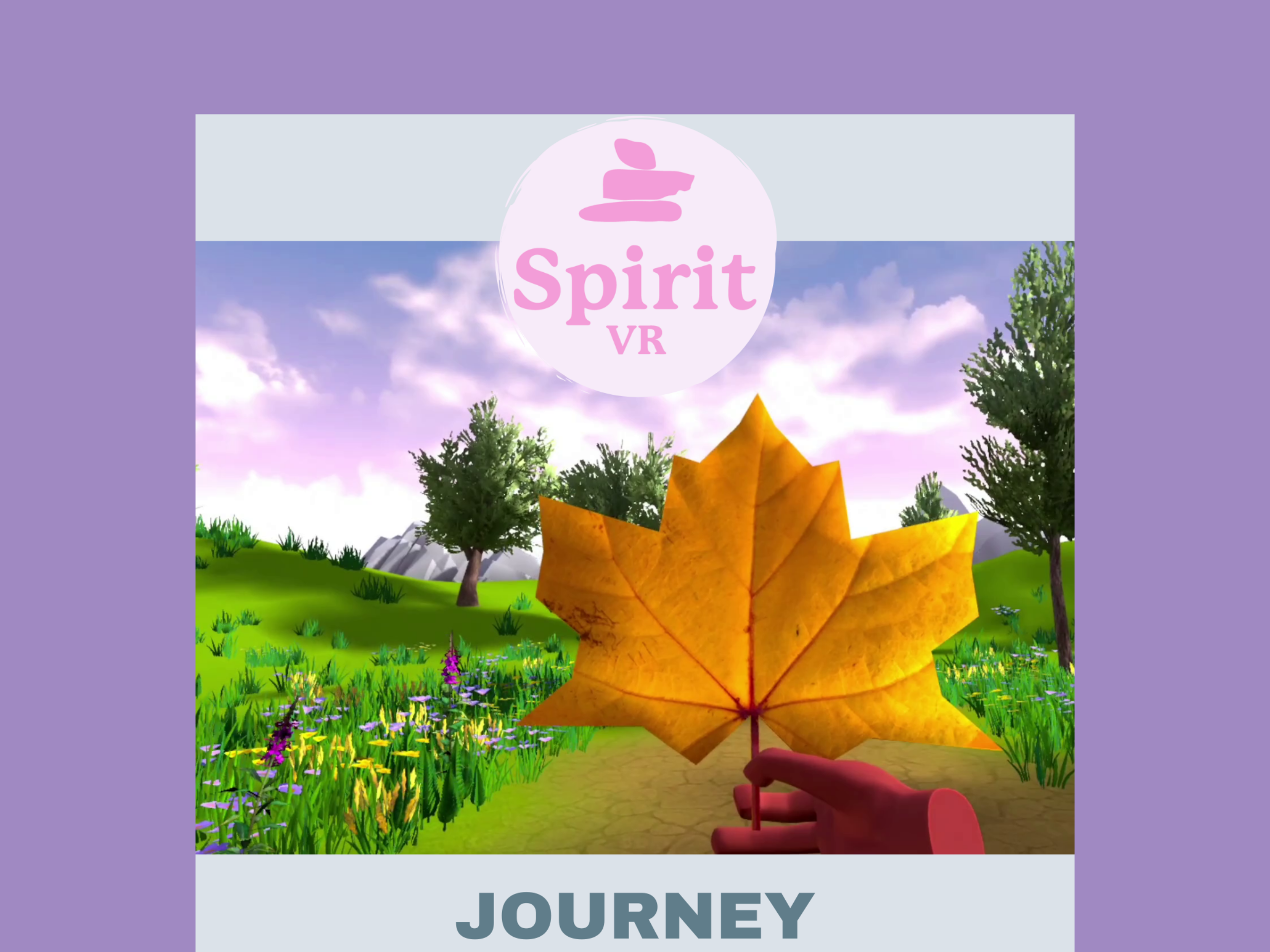
        Their VR platform, SpiritVR, offers structured sessions in calming environments, like beaches or forests, where users can engage in breathing exercises, body scans, and focus techniques.

        Their suite is used in various settings such as charities and healthcare and includes:

          • SpiritVR Journey - structured mindfulness courses to reduce anxiety
          • SpiritVR Confidence - an interactive virtual presentation practice to boost confidence in public speaking
          • SpiritVR Sensory - customisable immersive VR environments to support sensory seekers and sensory avoiders

          Below, we hear from Dr. David Tully and Nicola Honey, who share insights about the company and its innovative approach to wellbeing.


          What is the most exciting statistic or fact you have about XR and mental health?

          Our initial trials (153 sessions) showed a 24% drop in GAD-7 anxiety scores, proving immersive VR delivers immediate, measurable wellbeing impact.

          This real-world data helped us achieve an 87% score in the Orcha Baseline Review OBR, covering data protection,
          professional assurance, and usability/accessibility. OBR gives an independent and objective measure of the quality of a product.


          How has user feedback shaped your product?

          SpiritVR began while we were based inside a mental health charity, surrounded by support groups and families with diverse needs.

          We saw first-hand the challenges they faced and wanted to help. Our apps are shaped by feedback from children, parents, teachers, wellbeing practitioners, and clinicians. This direct input has improved accessibility, language, and inclusivity across the suite.

          Features like the vibration wall and underwater room were created in response to users with specific sensory needs. Every decision is grounded in real feedback, not assumptions, to ensure our tools genuinely work for those who need them most.


          How could your innovation tackle inequalities in mental health?

          Our VR suite offers early access to support for those facing long NHS wait times, including young people with SEND.

          It’s cost-effective, easy to deploy in schools or communities, and built to serve underserved groups who may avoid traditional therapy.


          • Why should the health and care system be excited about your innovation?

            SpiritVR helps reduce anxiety and build resilience in just 10–20 minute sessions.

            It engages people who often struggle with traditional therapies, like neurodiverse users and young men, by delivering calming, interactive support in a non-judgemental, immersive format.

            It’s already used by schools, councils and NHS wards, requires no internet, and can be deployed at scale, supporting early intervention before issues escalate.


          What type of support are you seeking most from readers to help drive your project forward?

          We’re seeking clinicians, researchers, and organisations interested in XR for mental health to help us shape the future of care.

          We’d also love to connect with fellow innovators, developers and companies to grow a collaborative ecosystem where we can cross-sell and share audiences.

          We believe a thriving community will help us all scale faster and deliver better outcomes.

          Additionally, we’re preparing for our first funding round and are open to conversations with angel investors passionate about impactful, inclusive technology.

          Get in touch at info@scenegraphstudios.com. We'd love to hear from you.


          Want to find out more about our Mindset-XR Innovation Support Programme?

          Sign up to our monthly newsletter and keep up to date with all the latest news

          Click here

          Want better results? Start with health equity

          Post Title

          In this blog, Programme Director Catherine Dale explores how designing digital technology with a focus on health inequalities not only supports vulnerable communities but also enhances the likelihood of success by aligning with the goals of the NHS 10-Year Plan.

          A great starting point for any innovator is: Am I building for everyone?  

          Before COVID-19, health inequality wasn’t widely discussed, even though many people were already experiencing its effects. The pandemic, however, brought the issue into sharp focus. 


          How the pandemic brought health inequalities into focus 

          During the early months of the COVID-19 pandemic, a disturbing pattern emerged.  

          Studies show that people from Black, Asian, and minority ethnic backgrounds were up to 50% more likely to die from the virus than white British people. And these weren’t necessarily people from low-income backgrounds. Often, they were highly educated doctors and nurses.  

          At the same time, the murder of George Floyd reignited global conversations about racial justice. In the UK, this twin impact of COVID and racial reckoning forced the NHS and wider society to confront long-standing health inequalities that could no longer be ignored. 


          Healthcare inequalities: A complex, multi-layered challenge

          When we talk about healthcare inequalities, we’re not just talking about the obvious gaps such as who can access care. We’re talking about outcomes including who gets sick more often, who dies earlier, who waits longer for help, and who gets left behind entirely. 

          Inequity erodes trust in healthcare staff, providers and institutions. 

          If people have experienced discrimination within public services, they may start from a place of distrust. And if they’ve had poor experiences in the past, they’re less likely to access help in the future which creates a vicious cycle. 

          There’s also an economic case to tackle this: when health outcomes are worse for certain groups, it costs individuals and the system more. The burden of poor health weighs heavily on society, especially when it could have been prevented. 


          Protected characteristics and legal protections 

          We are legally protected from discrimination by the Equality Act 2010 at work, in education, as a consumer and when using public services. The protected characteristics are: 

          • Disability;
          • Age;
          • Sexual orientation;
          • Gender and gender reassignment;
          • Race;
          • Religion or belief; 
          • Pregnancy and maternity;
          • Marital or civil partnership status;
          • Sex.

          These legal categories form the foundation of anti-discrimination protections but when we talk about health inequalities we must go further. 


          Marginalised groups 

          Some people face exclusion that isn’t fully captured by these protected characteristics.

          Inclusion health is about deliberately reaching out to groups who are often overlooked in healthcare design and delivery.

          These groups include: 

          • Those experiencing homelessness;
          • Vulnerable migrants, Gypsy, Roma and Traveller communities; 
          • Those living on a low income​; 
          • Those with poor literacy or health literacy​; 
          • Other marginalised groups. 

          These individuals often fall through the cracks - not because they’re not protected in theory, but because services weren’t built with them in mind. That’s a critical failure, and one we can address as innovators. 


          The NHS Core20PLUS5 Framework 

          So how do we move from awareness to action? 

          The NHS developed the Core20PLUS5 approach which is a targeted framework for reducing health inequalities. It’s practical, data-informed, and grounded in improvement methodology. 

          • Core20 refers to the most deprived 20% of the population based on the Index of Multiple Deprivation; 
          • PLUS focuses on additional groups who are experiencing worse outcomes in specific geographies; 
          • 5 represents five clinical areas where the evidence shows the biggest health inequalities. 

          In mental health, one key focus is ensuring annual physical health checks for people with severe mental illness. Others include maternity care, chronic respiratory disease, early cancer diagnosis, managing hypertension and a cross-cutting intervention on smoking cessation. 

          This framework offers a way in for innovators because if your solution addresses one of these areas or groups, it’s immediately aligned with a system-wide priority. 


          The Marmot Review and social determinants of health 

          Much of our current understanding of health inequalities comes from the Marmot Review, which examined the social determinants of health - the conditions in which people are born, grow, live, work, and age. 

          Published in 2010, and updated in 2020, it showed that not only were health inequalities growing, but for the first time in 100 years, life expectancy had stalled and even declined for the poorest women. 

          Health is shaped by far more than just access to medicine. Poverty, insecure housing, adverse childhood experiences, stigma, and poor public service experiences all contribute. And while we may not control those factors, we do control the design and delivery of the services we create. 


          Patient safety and health inequalities 

          It’s increasingly recognised that health inequalities are a patient safety issue. If someone is more likely to experience harm because of who they are or how they access services, then that’s not just a systems failure, it’s a safety failure. 

          The Patient Safety and Healthcare Inequalities Reduction Framework helps reframe this problem: if inequalities lead to avoidable harm, they must be tackled as part of improving safety. 


          Innovation in mental health: case studies 

          Many PTSD treatments focus on ex-military personnel, often using exposure therapy to recreate past events. But civilian PTSD also requires tailored solutions.

          One company addressing this gap is Propeer Solutions Ltd, which is developing an inclusive, low-cost VR app for use in community mental healthcare settings.

          In collaboration with Paul Best at Queen’s University Belfast, they’ve created VR Photoscan, a tool that recreates trauma-related environments. One patient described it as offering a “more visceral exposure experience,” helping them prepare for real-life site visits after a city centre attack.

          However, innovator Dominique Vyborna of Empress Immersive Ltd has found that exposure therapy isn’t effective for everyone, particularly young women and people from racially minoritised backgrounds.

          To address this, she is co-creating a culturally relevant, affordable alternative by working with young women (16–24), neurodivergent individuals, and people from the global majority to design a solution that meets their needs - especially those facing long NHS waitlists.

          These are brilliant examples of what’s possible when we rethink who our typical patient could be.


          10-year Plan commitments on health inequalities 

          The 10-year Plan places tackling health inequalities at its core saying these 'persistent disparities’ will be tackled in both access and outcomes to give everyone, no matter who they are or where they come from, the means to engage with the NHS on their own terms.  

          The government plans to: 

          • Redirect around £2.2billion, previously used for NHS deficits, toward working class, rural and coastal regions with the poorest health outcomes;
          • Launch over 40 integrated neighbourhood teams (GPs, nurses, social workers) from September 2025 in the areas most in need; 
          • Asking Integrated Care Boards to meet clear targets on reducing inequalities in outcomes and access based on findings such as Black women are nearly three times more likely to die in childbirth; 
          • Reallocate care from hospitals to communities to tackle lifestyle risks like smoking, obesity, poor diet, and alcohol use plus funding for early-years services. 

          Data, dialogue, and partnerships 

          If you’re trying to develop an innovation that addresses health inequalities, don’t start from assumptions, start with data. 

          • Look at the public data available from your local Integrated Care Board (ICB) or local authority - Joint Strategic Needs Assessments are a good place to start; 
          • Talk to voluntary sector organisations as they often have the strongest relationships with marginalised communities; 
          • Work with people with lived experience as co-designers. 

          Innovation as a force for equity 

          There’s a clear message from the current government: we can’t talk about disparities without acknowledging injustice. Wes Streeting recently said, “These are not disparities that dropped from the sky - they are rooted in injustice, and we must attack the root causes.” 

          That’s where we come in.  

          As digital innovators we have an unprecedented opportunity to make a difference. And in doing so, we can make innovation not only smart but just. 

          So, as you design your next tool, app, or intervention, ask yourself: 

          • Who is this for?
          • Who is missing?
          • How could this be used to reach those who've been left out? 

          This isn’t about ticking boxes - it’s about creating real impact. 


          Resources


          About the author

          Catherine is the Programme Director for Patient Safety at the HIN.  

          Catherine has 25 years’ experience in the NHS in London, with more than 20 years in quality improvement and transformation roles, including leading the national learning network for Covid Oximetry @home and virtual wards 

          Catherine has a master’s in business psychology, is a certified Institute for Healthcare Improvement Coach and an expert on co-designing improvements with patients and applying behavioural insights to healthcare.  

          Catherine is also a Trustee at the Point of Care Foundation and has helped develop their Experience-Based Co-Design toolkit.  

          In 2017 she taught on the IHI’s inaugural Co-design College in Boston, USA.  

          Catherine is an active advocate for tackling health inequalities through improvement and organisational change. She co-led the HIN’s anti-racism programme - a journey to becoming an actively anti-racist organisation.  

          Catherine was a Labour Councillor in the London Borough of Southwark from 2014–2018. 

          Mindset-XR Innovation Support Programme company spotlight: Reneural


          Our Mindset-XR Innovation Support Programme spotlight for July is on Reneural who are dedicated to transforming stroke recovery through NeuroVive, a VR-powered neurorehabilitation system and NeuroMindXR, an XR-based mental health therapy platform.

          Reneural's solution addresses post-stroke psychological needs such as long-term depression.

          Reneural seeks to enhance patient outcomes, lower healthcare costs, and support clinicians by integrating both inpatient and remote care solutions.

          Below, we hear from Heraldas Gaspariunas and Victor Harabari, who share insights about the company and its innovative approach to building an all-in-one stroke rehabilitation ecosystem for clinicians and stroke survivors.


          What is the most exciting statistic or fact you have about XR and mental health?

          A study by researchers from King’s College London, funded by the National Institute for Health and Care Research (NIHR), has found that post-stroke depression (PSD) can have serious long-term effects on stroke survivors lasting up to 10 years after the initial stroke. The findings emphasise a need for long-term mental health support in stroke rehabilitation.


          How has user feedback shaped your product?

          Our project has been built on an iterative approach, where healthcare professionals and patients actively contribute to shaping a system that truly works for them.


          How is user patient involvement incorporated?

          Our development process is fundamentally co-produced with stroke survivors (as well as carers and clinicians). From the earliest concept stages, we conducted workshops, user testing, and design sessions to ensure the system reflects the real-world needs, limitations, and preferences of those it serves.

          Each module - whether for emotional regulation or gratitude practice - has been shaped by direct feedback, and further iterations are planned based on upcoming trials and engagement studies.


          • Why should the health and care system be excited about your innovation?

            NeuroMindXR represents a transformative step forward in addressing one of stroke rehabilitation’s most overlooked challenges: the short and long-term impact of post-stroke depression and mental health.

            NeuroMindXR directly responds to this unmet need by integrating immersive, evidence-informed mental health therapies into stroke recovery.

            When combined with NeuroVive, our virtual reality platform for physical and cognitive rehabilitation, the result is a unified, person-centred system that empowers clinicians and stroke survivors alike. Delivered flexibly across hospital, community, and home settings, our platform ensures continuity of care, personalisation, and improved access.

            Together, NeuroMindXR and NeuroVive support holistic recovery - mind and body - wherever the patient is. We believe this has the potential to reduce re-admissions, alleviate pressure on frontline staff, and improve quality of life for thousands.


          What type of support are you seeking most from readers to help drive your project forward?

          We are seeking collaborative partnerships, pilot opportunities, and strategic funding to advance NeuroMindXR and NeuroVive into wider clinical practice.

          This includes connecting with healthcare professionals, integrated care systems, and commissioners who share our vision of delivering equitable, person-centred stroke rehabilitation.

          We also welcome support from mental health leaders, researchers, and community organisations who can help co-develop and implement modules tailored to local needs.

          You can email us at office@reneural.tech

          We'd love to hear from you!

          Want to find out more about our Mindset-XR Innovation Support Programme?

          Sign up to our monthly newsletter and keep up to date with all the latest news

          Click here

          NHS 10 Year Plan Response

          Post Title

          Here Dr Rishi Das-Gupta, CEO of Health Innovation Network (HIN) South London, gives his initial views on the NHS's 10 Year Plan, published yesterday, highlighting some of the areas of implementation that the HIN SL is already working on with partners.

          This week the Government finally released its 10 Year Plan for the NHS: Fit For the Future. Although a number of new policies had been leaked before it went live (such as a new innovation passport), there were some interesting additions around innovation with a particular focus on digital solutions.

          While some of these were national, the local examples used were those that we have supported, including ambient voice technology and expansion of virtual wards. The creation of innovation zones is something we welcome and have been working with partners to prepare for. From the work we have already done in these areas, I believe could make a massive difference to patients and staff, working with NHS and other health and social care partners over the next 10 years.

          For a start, it was great to see the importance of innovation underlined, and with a specific shout out for the work of 15 health innovation networks in this. The reiteration in today’s plan of the three shifts will help us to continue to build on this:


          Analogue to Digital

          • We have long been supporting the new ambient voice and AI scribe technologies highlighted in the plan. Following our initial horizon scan in 2023, we worked with clinicians, technology leaders and patient representatives to identify what features are required in this new class of product, how it would need to integrate with existing systems, defined the likely benefits (and risks) and information that we’d need to test in a pilot.

            The pilot has been across eight sites in London and led by Great Ormond Street Hospital (GOSH). We worked closely with GOSH and NHSE London teams throughout the pilot to develop the TEST framework to inform procurement as this programme moves into roll-out. We now look forward to supporting this across one of our ICBs in the near future.


          Sickness to Prevention

          • We have focused on reducing inequalities in physical health care for people with serious mental illness (SMI) by increasing the uptake of physical health checks. Funded by South East London ICB.

            This project sought to reduce health inequalities by increasing access to and uptake of physical health checks for people with SMI. The HIN facilitated introductions to GP practices and supported the Oxleas Agile Intervention team with logistics.

            The Oxleas team completed data validation of over 2,400 SMI registered patient records and completed ~446 full or partial physical health checks.

          • In collaboration with King’s Health Partners and south east London Trusts, we developed a demand and capacity model to support workforce planning and standardise the implementation of type 1 diabetes hybrid closed loop technology and support a consistent and equitable rollout. We also evaluated a cardiovascular disease prevention programmes in south west London, demonstrating the positive impact of an innovative pilot on reducing health markers such as cholesterol and blood pressure, as well as an average weight loss of 1.18kg during the programme.


          Hospital to Community

          • Our care home pioneers programme has supported more than 150 senior care home staff from all 12 boroughs of south London since it started in 2018.

            Each works on their own project to benefit residents, with one pioneer able to increase fluid consumption by over 20% in two thirds of residents identified as being at high risk of dehydration.

          • We identified lessons learned and opportunities for future efficiencies in the south east London ICB use of remote monitoring technology within virtual wards to support those with Chronic Obstructive Pulmonary Disease (COPD), heart failure, and those recovering from surgery.

          • Extra support was given for integrated neighbourhood teams through our new programme, and you can read more of our thoughts in our three blogs on what they are, how to create conditions for them to flourish and how to evaluate existing and emerging INTs.


            As well as the three shifts, there was also an announcement about the creation of regional innovation zones. In London, we already work with partners across the city including UCLP, ICHP, KHP, MedCity and NHSE London to provide a joined-up innovation ecosystem linking innovators with world class NHS organisations and educational institutions. London has a global reputation and we look forward to continuing to work with these partners to super charge the capital’s Innovation Zone.

            There are plenty of interesting ideas in the plan and I am cautiously optimistic that there is the potential for real change. The devil of course will be in the detail for delivery and understanding how it aligns with the upcoming Life Sciences Strategy. In the meantime you can find more detail about our projects and work can be found in our annual report for 2024/25 here.

          Mindset-XR Innovation Support Programme company spotlight: Care Reality

          Our Mindset-XR Innovation Support Programme spotlight for June is on Care Reality who create immersive VR training and therapy solutions for the health and social care sector.

          Their product, FLO, is designed to support professional development, improve care standards, and enhance patient outcomes by offering realistic interactive simulations that help care workers build empathy, gain practical skills, and understand complex conditions like dementia.

          Below, we hear from Ross Toomer and Lucy Cooney, who share insights about the company and its innovative approach to enhancing patients' well-being.


          What three pieces of advice would you give budding innovators?

          • Test early – Validate your idea with real users as soon as possible.
          • Stay user focused. Build with, not for, your audience.
          • Be persistent – innovation takes time and rejection is part of the journey. Keep refining, learning and pushing forward.

          How has user feedback, particularly from patients and clinicians, shaped your product?

          User feedback is central to FLO’s development. Sector specialists and end users have influenced scenario design, ensuring content is realistic, relevant and aligned with current practice. Feedback from learners highlighted the need for shorter, focused modules, leading to improvements in pacing, interactivity and clarity.


          How is user patient involvement incorporated?

          We involve users throughout development by co-designing content with care staff, trainers and individuals with lived experience. Their insights shape realistic scenarios, language and tone. Feedback from pilots directly informs updates, ensuring FLO stays relevant and inclusive.


          • Why should the health and care system be excited about your innovation?

            FLO directly supports better outcomes for both care providers and the people they support. It transforms training with scenario based learning that builds confidence and skills in a safe, engaging way. It’s cost effective, easy to deploy and designed around real care challenges.


          Want to find out more about our Mindset-XR Innovation Support Programme?

          Sign up to our monthly newsletter and keep up to date with all the latest news

          Click here

          Professor Andrew George MBE welcomed as new chair of Health Innovation Network (HIN) South London

          An immunologist with international experience who was recognised for his services to research participants and ethics has been appointed as the new chair for the Health Innovation Network (HIN) South London.

          Professor Andrew George MBE has worked in Southampton, USA and at Imperial College London before moving to Brunel University London where he was Deputy Vice Chancellor, Education and International. He is also chair of Oxleas NHS Foundation Trust in south London and co-chair of the UK Committee on Research Integrity.

          Andrew has played a key role in leading research ethics in the NHS and currently is on the Board of the Health Research Authority. He was awarded an MBE for services to research participants and research ethics.

          He will join the organization in May 2025 and replaces Hitesh Thakrar.

          Andrew has a wealth of experience across the NHS and is passionate about the south London population we serve. I’m excited about how we can work together to increase the spread and implementation of healthcare innovation which improves the lives of people and reduces health inequalities.Dr Rishi Das-Gupta, Chief Executive Officer of Health Innovation Network (HIN) South London
          It is clear that the NHS must embrace diverse ways of working and the Health Innovation Network in South London is at the forefront of this with its focus on digital technology, mental health, community building and health economic evaluations of innovations. I am delighted to be appointed chair and look forward to working with colleagues and entrepreneurs across the NHS, academia and industry.Professor Andrew George, Chair of Health Innovation Network (HIN) South London

          Find out more

          For more information on the work of the Health Innovation Network South London, please get in touch.

          Contact us